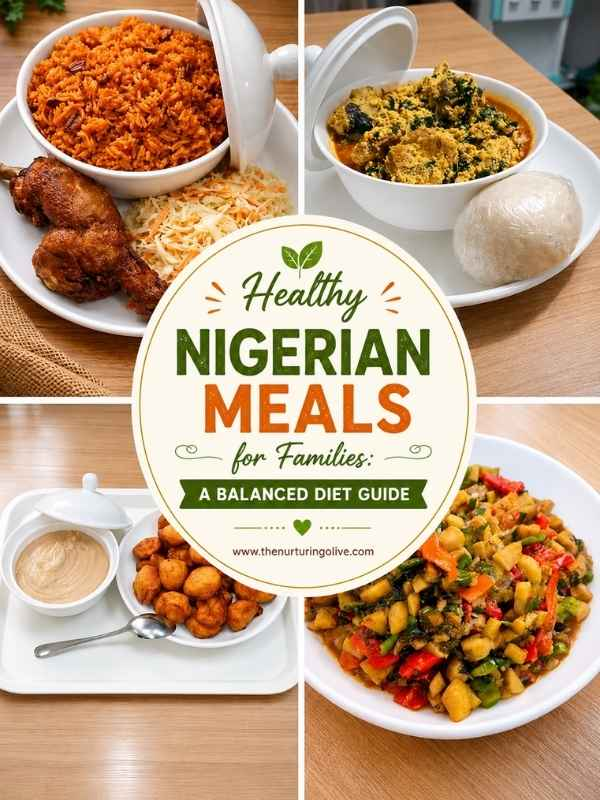
Healthy Nigerian Meals for Families: A Balanced Diet Guide
Healthy Nigerian meals for families are something I feel deeply and personally about, and not simply because I am Nigerian. But because our food, when prepared with care and intention, is genuinely some of the most nourishing cooking in the world. The problem is that we do not always frame it that way. We have somehow absorbed the idea that healthy eating belongs to salad bowls and smoothie bars and foreign food traditions, while our own soups, stews, grains, and vegetables are set aside as ordinary, as background food, as what you eat at home but would not describe as healthy.
That framing needs to change. Nigerian food, at its core, is built on exactly the ingredients that nutritionists across the world are now celebrating: leafy greens, legumes, healthy fats, whole grains, root vegetables, fermented foods, and freshly prepared proteins. Our grandmothers were eating a balanced diet long before the phrase existed. We are simply rediscovering what they always knew.

This guide is a celebration of Nigerian food and a practical resource for families who want to nourish themselves well using the meals that already belong to their culture, their memory, and their home kitchens.
Why Nigerian Food Is Naturally Balanced
A traditional Nigerian meal is almost always composed of a carbohydrate, a protein, a healthy fat, and vegetables. That is, by definition, a balanced plate. Consider a bowl of egusi soup with pounded yam. You have complex carbohydrates from the yam, plant-based protein and healthy fats from the egusi seeds, vitamins and minerals from the leafy greens, and additional protein from the meat or fish. One meal. All food groups represented.
Classic Nigerian Egusi Soup Recipe: Step-by-Step Guide from My Family Kitchen
Consider jollof rice with a side of coleslaw and grilled chicken. Complex carbohydrates, lean protein, lycopene from the tomato base, and fibre from the raw vegetables. Or ofe onugbu with garri. Or moi moi with pap. Each of these traditional combinations was designed by generations of intuitive cooks to be complete, filling, and sustaining. The nutritional balance is not accidental. It is inherited wisdom.
The challenge for modern Nigerian families is not the food itself. It is maintaining the practice of cooking it regularly in the face of busy schedules, budget pressures, and the constant pull of processed convenience alternatives. That is exactly what this guide, and the companion posts we have built around it, is designed to help with.
These examples show why healthy Nigerian meals for families remain one of the most practical and nutritious ways to feed a household.
The Pillars of a Balanced Nigerian Family Diet
Here are the food groups and traditional ingredients that should form the foundation of a balanced Nigerian family diet, along with the meals they anchor.
Understanding these food groups helps families build healthy Nigerian meals for families using ingredients that are affordable, familiar, and widely available.
1. Complex Carbohydrates: The Energy Foundation
Yam, unripe plantain, cocoyam, brown rice, oats, whole grain bread, garri from quality cassava, and parboiled rice are all excellent complex carbohydrate sources. They provide sustained energy rather than the quick spike and crash that comes from refined and processed carbohydrates.
How to Cook Unripe Plantain Porridge (Nigerian Healthy Recipe)
Swallow foods like pounded yam, fufu, and amala are not the enemy of a healthy diet. They are traditional, whole foods that have sustained strong families across generations. The key is portion balance and pairing them with nutrient-dense soups and proteins.
Nutrition note: Unripe plantain has one of the lowest glycaemic indexes of all the carbohydrate staples, making it an excellent choice for families with blood sugar concerns.
2. Proteins: The Building Blocks
Nigerian cooking offers an extraordinary variety of protein sources. Beans in all their forms, black-eyed beans, honey beans, brown beans, offer high plant-based protein and fibre. Eggs, fish, chicken, turkey, goat meat, and organ meats like liver and kidney all feature regularly in traditional Nigerian cooking.
Crayfish and stockfish, often overlooked in nutrition conversations, are concentrated sources of protein, calcium, and essential minerals. Used in small quantities as seasoning, they add both flavour and nutritional depth to soups and stews at very low cost. Egusi seeds, used as the base of one of Nigeria’s most beloved soups, are rich in plant protein, zinc, and healthy polyunsaturated fats.
Nutrition note: Beans paired with rice or any grain creates a complete protein, meaning all nine essential amino acids are present. This combination is central to Nigerian cooking and is nutritionally excellent.
3. Vegetables and Leafy Greens: The Vitamins and Minerals
Nigerian cooking uses an impressive range of vegetables that are genuinely exceptional sources of micronutrients. Ugu (fluted pumpkin leaves) is rich in iron, vitamin C, and beta-carotene. Bitter leaf supports liver health and is high in vitamins A and C. Waterleaf is rich in vitamins and minerals and cooks quickly. Okra provides folate and soluble fibre. Fresh tomatoes, onions, and peppers are loaded with antioxidants and vitamin C.
The beauty of Nigerian soups is that they are essentially concentrated vegetable and protein delivery systems. A well-made pot of soup provides more micronutrients per serving than most people realise, which is why families who eat traditional soups regularly tend to have excellent nutritional coverage without ever counting a calorie or tracking a macronutrient.
Nutrition note: Add leafy greens at the end of cooking rather than at the beginning. This preserves more of the heat-sensitive vitamins, particularly vitamin C and folate.
4. Healthy Fats: The Essentials
Palm oil, used in moderation, is one of the richest natural sources of vitamin E and beta-carotene. Groundnut oil, coconut oil, and the fats naturally present in egusi, groundnuts, and oily fish all contribute essential fatty acids that support brain development, hormone function, and the absorption of fat-soluble vitamins.
The key with fats in Nigerian cooking is quantity and quality. A few tablespoons of good palm oil in a large pot of soup is genuinely nutritious. Excessive frying in degraded oil is not. The traditional approach of using fat as a flavour carrier and nutrition enhancer rather than as a base for everything is the right approach, and it is worth returning to.
Healthy Nigerian Meals by Category

Soups and Stews
Egusi soup, ofe onugbu (bitter leaf soup), edikang ikong, afang soup, okra soup, ogbono soup, and oha soup are among the most nutritionally complete meals in the Nigerian repertoire. Each combines leafy greens, protein, healthy fat from palm oil, and concentrated seasoning from crayfish and stockfish into a meal that delivers extraordinary nutritional value.
How to Cook Ofe Onugbu (Bitter Leaf Soup) Step-by-Step Recipe Guide
Soups and stews form the backbone of many healthy Nigerian meals for families because they combine vegetables, proteins, and healthy fats in one dish.
These soups freeze exceptionally well, which makes them central to any good family meal prep strategy. Cook a large pot on the weekend and freeze in family-sized portions. Midweek dinners become simple reheating exercises rather than full cooking sessions. Our Easy Meal Prep Ideas for Busy Families post covers exactly this approach and explains how to build your week around it effectively.
Easy Meal Prep Ideas for Busy Families: Healthy, Affordable, and Actually Doable
Family tip: Rotate through two or three soups per week so children grow up familiar with the full range of traditional flavours. Variety in childhood builds adventurous adult eaters.
Rice Dishes
Nigerian rice cooking is an art form. Jollof rice, with its deeply fried tomato base, fragrant seasoning, and that coveted smoky bottom layer, is one of the most beloved meals in West Africa and beyond. Made at home from scratch with parboiled rice, a well-reduced tomato blend, and good stock, it is a genuinely nutritious meal, especially when served alongside grilled chicken or fish and a simple vegetable salad.
Fried rice, the Nigerian way, loaded with mixed vegetables, seasoned gizzard or chicken, and well-seasoned day-old rice, is another complete and nourishing family meal. Both of these rice dishes are covered in detail in our 10 Healthy Family Dinner Ideas Everyone Will Love post, with full recipes, ingredient lists, and step-by-step instructions. If you have not yet used that post as a dinner resource, it is worth bookmarking.
10 Healthy Family Dinner Ideas Everyone Will Love (With Full Recipes)
Nutrition note: Serve rice dishes with a simple side salad or extra vegetables to increase the fibre and micronutrient content of the meal without complicating the cooking.
Breakfast Foods
Akara, pap, moi moi, and boiled yam with egg sauce are all traditional Nigerian breakfasts that are genuinely excellent nutritionally. Akara provides plant-based protein from black-eyed beans. Pap is easily digestible and comforting for children. Moi moi is a steamed bean pudding that is high in protein and gentle enough for young children. Boiled yam with egg sauce provides complex carbohydrates, complete protein, and vegetables in one simple combination.
Crispy Nigerian Akara Recipe: How to Make Perfect Bean Cake at Home
Our Quick Breakfast Ideas for Busy Mornings (Family Edition) post includes both traditional Nigerian breakfast options and other quick ideas that work on school mornings, written with the busy family’s reality at the centre. If mornings are a challenge in your household, that post is exactly what you need.
Family tip: Make moi moi in bulk and freeze individual portions. Reheated moi moi with pap is a breakfast that takes under five minutes and delivers excellent nutrition.
Budget-Friendly Nigerian Meals
One of the most reassuring things about traditional Nigerian cooking is how naturally affordable it is. Beans, lentils, plantain, yam, leafy greens, crayfish, and stockfish are all relatively affordable ingredients that deliver exceptional nutritional value per serving. A large pot of beans porridge with plantain, or a pot of vegetable egusi soup, feeds a family generously on a modest budget.
Our How to Cook Nutritious Meals on a Budget for Your Family post explores this in depth, celebrating Nigerian and West African cooking specifically as one of the most naturally budget-conscious food traditions available, and providing practical strategies for keeping your family well-nourished without overspending.
One of the easiest ways to enjoy healthy Nigerian meals for families is to create a simple weekly menu that includes a variety of traditional foods.
A Sample Balanced Nigerian Family Weekly Meal Plan

Here is a simple example of what a balanced, nourishing Nigerian family week can look like:
- Monday breakfast: Pap with akara | Dinner: Egusi soup with swallow of choice
- Tuesday breakfast: Boiled egg with bread | Dinner: Jollof rice with grilled chicken and coleslaw
- Wednesday breakfast: Overnight oats with mango | Dinner: Beans porridge with fried plantain
- Thursday breakfast: Moi moi with pap | Dinner: Ofe onugbu with garri
- Friday breakfast: Yam and egg sauce | Dinner: Nigerian fried rice with peppered chicken
- Saturday breakfast: Akara with tea | Dinner: Pepper soup with any protein of choice
- Sunday breakfast: Family pancakes with fruit | Dinner: Unripe Plantain porridge
See a meal you’d like to try? Click on the dish name to access a detailed recipe guide with ingredients, step-by-step instructions, and practical tips to help you cook it perfectly every time.
FAQs: Healthy Nigerian Meals for Families
Are traditional Nigerian swallow foods healthy?
Yes, when eaten in appropriate portions and paired with nutrient-dense soups. Pounded yam, amala, fufu, and eba all provide energy-dense complex carbohydrates. The key is balance: a moderate portion of swallow with a generous, vegetable-rich soup is a complete, nourishing meal. The problem arises only when the carbohydrate portion is disproportionately large and the soup is minimal.
Many healthy Nigerian meals for families include swallow foods because they provide energy and pair well with nutrient-rich soups.
How do I reduce the oil in Nigerian cooking without losing flavour?
Use less palm oil and fry it properly before adding other ingredients. A well-fried oil base with good seasoning delivers more flavour with less volume than oil added carelessly. You can also substitute part of the palm oil with a little groundnut oil for lighter dishes. The flavour depth in Nigerian cooking comes primarily from the frying technique and the seasoning, not from excessive oil quantity.
Is Nigerian food suitable for children from a young age?
Absolutely. Many traditional Nigerian foods are among the most appropriate early foods for infants and toddlers. Pap, mashed yam, smooth bean puree, and soft moi moi are all gentle, nutritious, and culturally meaningful first foods. Introducing traditional flavours early builds familiarity and creates adventurous eaters who are comfortable with the full range of their cultural food heritage.
Step-by-Step Guide: How to Make Moi Moi (Nigerian Bean Pudding) Without Peeling Beans
Final Thoughts

Healthy Nigerian meals for families are not something we need to invent or discover. They are something we need to return to, cook with intention, and celebrate with the confidence that what our culture produced is genuinely excellent for our bodies and our children’s bodies.
By choosing healthy Nigerian meals for families more often, parents can support better nutrition while preserving valuable food traditions.
The ingredients are in your kitchen. The recipes are in your memory and in this collection of posts. All that is needed is the decision to cook them consistently and to share them at a table where the family gathers together.
Let’s Hear From You!
What is your favourite traditional Nigerian family meal? Is there one your children love above all others? Share it in the comments below. And if this post helped you see your own food culture in a new nutritional light, please share it with another Nigerian mother who needs this encouragement. Use the hashtags #thenurturingolive and #lorettaginikachimemoh.
You might also enjoy:
- 10 Healthy Family Dinner Ideas Everyone Will Love (With Full Recipes)
- Easy Meal Prep Ideas for Busy Families: Healthy, Affordable, and Actually Doable
- How to Cook Nutritious Meals on a Budget for Your Family
- Quick Breakfast Ideas for Busy Mornings (Family Edition)
- 15 Kid-Friendly Healthy Snacks You Can Make at Home
Closing Note
Our food is our heritage. Every pot of egusi you cook, every bowl of jollof you serve, every akara you fry on a Saturday morning is an act of cultural love as much as it is an act of physical nourishment. Feed your family from the richness of what you come from. It is more than enough.
If you enjoy content like this Nutritious Meals on a Budget for your family, we would love to stay connected with you. Follow us on Facebook for our daily posts on parenting, faith, family life, and nutritious food ideas that help families live healthier and happier lives.
Facebook: The Nurturing Olive
Thank you for stopping by, and God bless you.

