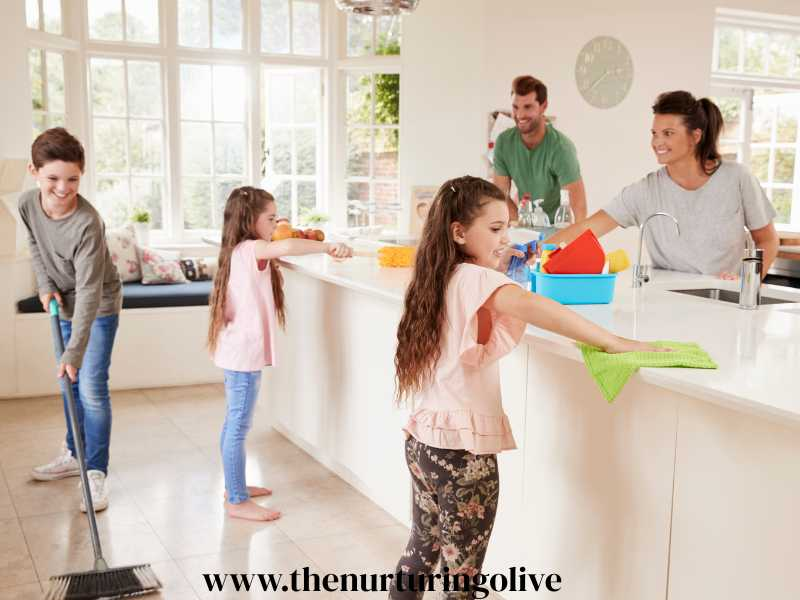

Learning how to teach kids responsibility in simple, everyday ways is one of the kindest investments you can make as a parent. These small, consistent actions today grow into dependable habits for life. In this guide, I will share a mix of real-life parenting experiences, practical steps, and age-appropriate strategies you can start using right away. Together, let’s make responsibility gentle, practical, and even joyful.
Why Small, Everyday Lessons Matter
Responsibility isn’t a switch you flip. It’s a muscle you help your child build. The trick is to start with tiny, meaningful tasks and explain why those tasks matter.
When children carry their plate to the sink, pack a toy into a basket, or water a plant, they aren’t just “helping with chores.” They’re learning:
- That their choices matter.
- That they can be trusted.
- That small actions create meaningful results.
This isn’t about loading them with endless duties or forcing them to grow up too fast. Instead, it’s about coaching, modeling, and creating age-appropriate responsibilities so children see themselves as contributors rather than “victims of nagging.”
My Parenting Story: When Seeds of Responsibility Bloom

There are days as a parent when you wonder if all your talking, guiding, and correcting is making any difference at all. But trust me, those seeds you’re planting will bloom.
Some months ago, I woke up with a severe body pain. I could barely move, and it happened during the holidays when my two little girls were at home. I don’t keep a nanny or house help, so everything falls on me. Many times, I’ve taught my children about discipline and responsibility, but honestly? Some days I wondered if they were listening at all.
Then came that unforgettable day. My eldest, just seven, quietly picked up a broom and started sweeping. Her younger sister, only five, began tidying the chairs and clearing the tables. They didn’t wait to be told. Then they looked at me and said:
“Mummy, please lie down. We will take care of things.”
Oh, the joy I felt in that moment! I realized those little lessons were not in vain. My girls had absorbed more than I imagined. Since that day, they’ve carried on with their chores more confidently, even when they don’t always feel like it.
This is exactly why teaching kids responsibility in simple, everyday ways matters. You never know when those lessons will be needed.
How to Teach Kids Responsibility in Simple, Everyday Ways

Below are 10 practical, parent-tested steps you can begin today.
1. Start With Micro-Tasks (Small Wins)
Assign tiny chores: carry a plate, place socks in a basket, or stack books. Small wins build confidence and momentum.
2. Make Responsibility a Routine
Link tasks to daily times: before breakfast, after school, before bedtime. Routines turn effort into habit.
3. Explain the “Why”
Kids learn better when they understand meaning. For example: “When you pack your bag tonight, tomorrow morning will be stress-free.”
4. Model What You Teach
Show your own responsibilities. Say out loud: “I’m cooking because that’s my responsibility.” Kids mirror what they see.
5. Use Gentle Consequences and Rewards
Keep consequences related to the task (e.g., less screen time if homework isn’t done). Pair them with fair rewards like extra playtime or a special outing.
6. Teach, Then Step Back
Show how, guide once, then let them try. Praise effort, not perfection.
7. Give Them Something to Care For
A plant, pet, or household corner. Caring for something teaches consistency and accountability.
8. Introduce Money Lessons Slowly
Start with small allowances. Teach “Spend / Save / Give.” Link money lessons to responsibility, not bribery.
9. Make Responsibility Fun Too
Let kids choose the family game, plan a dinner side, or suggest a weekend activity. Show that responsibility can also be enjoyable.
10. Communicate Change Clearly
If you’re introducing a new responsibility system, explain it calmly. Predictability helps kids adjust.
Age-by-Age Responsibility Blueprint

Ages 2–4 (Preschoolers)
- Put toys in a basket.
- Carry cup to the sink.
- Place napkin on the table.
Why: These short, simple tasks give immediate feedback.
Ages 5–8 (Early School Years)
- Make the bed.
- Pack their school bag.
- Help set the table.
Why: They’re eager to help and take pride in “grown-up” tasks.
Ages 9–12 (Tweens)
- Manage pocket money.
- Empty trash or sweep.
- Prepare simple snacks.
Why: They’re ready for dependable, independent tasks.
Ages 13+ (Teens)
- Cook one family meal weekly.
- Manage laundry start-to-finish.
- Use their phone responsibly.
Why: Teens need practice tied directly to independence and trust.
A Chore Chart That Works
Keep it simple:
Columns: Task | Days | Time | Points
- Pack school bag — M–F — 5 mins — 1 point
- Make bed — Daily — 3 mins — 1 point
- Clear plate — Daily — 1 min — 1 point
- Tidy toys — Daily — 5 mins — 2 points
Redeem points for small rewards like a game night, a story, or a special outing.
Words That Stick: Language for Teaching Responsibility
Swap power struggles for encouraging phrases:
- Instead of “Why didn’t you…?” say: “What happened? What can we do differently?”
- Instead of “Because I said so” say: “This helps you to…”
- Praise the process: “I noticed you finished homework before play – that shows responsibility.”
Consequences That Teach, Not Punish

- Keep consequences short and related.
- Use natural outcomes where safe (wet coat = must dry it).
- Follow through calmly every time.
When Kids Resist: 5 Quick Fixes
- They forget → Use lists and alarms.
- They complain it’s boring → Rotate tasks.
- They do it poorly → Re-teach, then praise improvement.
- They argue fairness → Involve them in chore planning.
- You’re overwhelmed → Start with just one consistent task.
A Two-Week Starter Plan To Use When Teaching Kids Responsibility
- Day 1: Start with one micro-task (e.g., clear plates). Celebrate effort.
- Day 7: Add a routine chore chart with a small reward.
- Day 14: Review progress together and add one new responsibility.
Frequently Asked Questions About How To Teach Kids Responsibility in Simple, Everyday Ways

1. At what age should I start teaching my child responsibility?
You can start as early as age two with very simple tasks like putting toys in a basket or carrying a cup to the sink. The key is keeping responsibilities age-appropriate and consistent.
2. How do I teach responsibility without nagging?
Instead of constant reminders, build routines. For example, “pack your school bag every night before bed” becomes a habit over time. Use positive language, gentle reminders, and clear expectations to reduce nagging.
3. What if my child refuses to do chores?
Stay calm and consistent. Introduce natural consequences (no TV until tasks are complete) and involve them in choosing responsibilities. Sometimes giving kids a voice in the process increases their cooperation.
4. Should I give my child an allowance for chores?
An allowance can be a great tool when used to teach budgeting, saving, and generosity. However, it’s best not to tie every single task to money. Focus on blending allowance with life lessons about responsibility and stewardship.
5. How do I balance discipline and encouragement when teaching responsibility?
Balance comes from praising effort, not just results, and using consequences that are fair and related to the task. Too much punishment discourages kids, while consistent encouragement motivates them to keep trying.
Final Thoughts

Teaching kids responsibility in simple, everyday ways is more than a parenting strategy. It’s an act of love. Each small step, from carrying a plate to managing allowance, shapes their confidence, independence, and character. The process takes time, but it’s worth every ounce of patience.
Remember this: responsibility isn’t taught overnight, it’s nurtured day by day. The little lessons you sow today will grow into dependable habits tomorrow. And one day, when your child makes wise, responsible choices on their own, you’ll look back with gratitude knowing you planted those seeds early.
So keep going. Stay patient, consistent, and never underestimate the power of small, everyday acts.
Let’s Hear From You!
What are some simple ways you’ve been teaching your kids responsibility? Have you tried chore charts, allowances, or maybe giving them fun decisions like choosing dinner? I’d love to hear your thoughts and experiences in the comments below
If this article on how to teach kids responsibility in simple everyday ways blessed you, please don’t forget to like, share, and pass it along to another parent who may need these gentle tips today.
And while you’re here, why not check out some of our other helpful posts on parenting? You’ll find more encouragement and practical wisdom in articles like:
- Building Confidence in Shy Kids: A Parent’s Gentle Guide
- How to Handle Academic Pressure in Kids: A Warm Parent’s Guide
- Parenting in the Digital Age: Raising Safe and Confident Kids
- How to Balance Faith and Education at Home
Together, we’re learning, growing, and raising children who are not only loved but also dependable, confident, and ready to shine in their world.
Also, don’t miss our Godly films on YouTube. They are stories that bring faith to life in powerful, relatable ways. They’ll encourage you, inspire you, and help you see God’s hand in everyday moments.
Watch here: Christ Love Crusaders Ministries YouTube Channel

