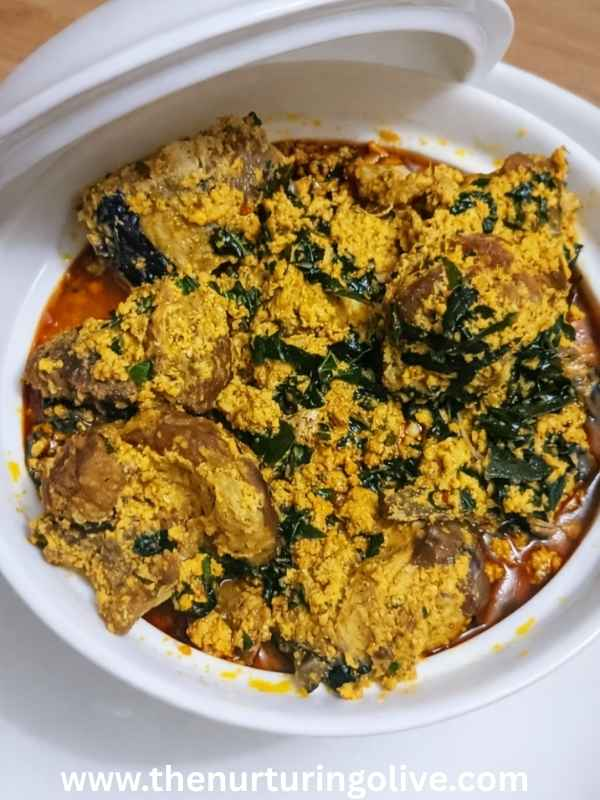
A Perfect Pot of Classic Nigerian Egusi Soup
Nigerian Egusi soup is more than just a meal; it is a treasured dish that cuts across cultures, tribes, and generations in Nigeria. Loved by the Igbo, Yoruba, Hausa, and many other ethnic groups, this iconic soup stands as one of the most recognized and celebrated dishes not only in Nigeria but across West Africa. Egusi soup was not popularized by a single tribe like Oha soup, Black soup, Edikang Ikong soup etc. It is a shared culinary heritage, warmly embraced and proudly prepared in homes all over the country.
How to Cook Traditional Nigerian Oha Soup | Authentic Step-by-Step Recipe
Even children know egusi soup. Ask a child as young as five years old to list the soups they are familiar with, and egusi soup will almost always come out on top. It is not the kind of soup that goes missing at events. In fact, at virtually any occasion-weddings, birthdays, naming ceremonies, or festive celebrations where soups are served-egusi soup confidently takes the lead.
Whether it is an Igbo celebration, a Yoruba gathering, or an event hosted by any other tribe, egusi soup consistently finds its way to the center of the table. It is widely known, deeply loved, and instantly recognizable.

Among the Igbo, egusi soup is known as Ofe Egusi. The Yoruba call it Efo Elegusi, while the Hausa refer to it as Miyan Gushi. Despite the differences in language, the dish remains the same beloved egusi soup. Even those who do not speak English fluently can easily pronounce and recognize the name “egusi soup.”
Egusi soup is beautifully simple, yet incredibly satisfying. It does not demand complicated techniques or rare ingredients, but it delivers a rich and hearty meal. The soup is made from ground melon seeds, known as egusi, which are naturally rich in oil and protein. Long before modern farming methods, egusi seeds were cultivated, dried, and stored because of their ability to last long and provide nourishing, filling meals.
When you are in search of a truly comforting and hearty dish, egusi soup is always a reliable choice. It is commonly prepared for family gatherings, festivals, and important ceremonies. Nourishing, satisfying, and deeply symbolic, egusi soup has a special way of bringing people together
Why You Will Love Nigerian Egusi Soup

Growing up in a Nigerian Igbo home, Egusi soup was one of the soups my mother cooked most often. In fact, I grew up watching my grandmother prepare it and then pass the tradition down to my mother. So, from a very young age, I knew Egusi soup well, and it quickly became one of my favorite dishes.
Easy to Prepare
One of the biggest reasons Egusi soup is so loved is how simple it is to make. There are a few methods to cook it, but the two most popular are the boiling method, where you add all ingredients at once, and the frying method, which is the one I use in this post. Both methods give delicious results, but the frying method, often used by five-star hotels, gives that rich, vibrant texture and perfect look that makes the soup so appealing. Even beginners can follow this method and achieve a classic, restaurant-quality Nigerian Egusi soup right at home.
A Family Favorite
Egusi soup is a staple in almost every Nigerian household. Growing up, I watched my grandmother prepare it, then my mother, and now I carry on the tradition. This soup is deeply rooted in family and culture, making it a comforting and familiar dish for anyone who grew up in Nigeria. It’s the kind of soup that almost every child knows and loves, and it’s often the go-to choice whenever someone is unsure of what to cook.
Widely Accessible Ingredients
Another reason this soup is so loved is the ease of getting ingredients. In Nigeria, markets are full of Egusi seeds, and many vendors now sell them pre-ground for convenience. If you live outside Nigeria, African stores worldwide usually stock Egusi, making it possible to prepare this beloved soup anywhere. This accessibility ensures that anyone, anywhere, can enjoy authentic Nigerian flavors without stress.
Versatile and Delicious
Egusi soup pairs perfectly with any swallow of your choice like pounded yam, fufu, eba, or others. It’s hearty, nutritious, and satisfying even with minimal ingredients. The soup naturally forms small, distinct Egusi balls that create an appealing texture and make every bite enjoyable. Whether you add meat, fish, or keep it simple, Egusi soup always comes out delicious and visually inviting.
Perfect for Special Occasions
Beyond being a family favorite, Egusi soup is also a dish for celebrations. From weddings and birthdays to festivals and other ceremonies, Egusi soup is almost always present. Its rich flavor, vibrant color, and comforting aroma make it a crowd-pleaser, ensuring everyone at the table leaves satisfied.
Tools You Will Need to Prepare Classic Nigerian Egusi Soup
Preparing classic Nigerian Egusi soup doesn’t require fancy equipment, just a few basic tools that will make the process easy and efficient. Here’s what you’ll need:
Blender or Food Processor
If you bought whole Egusi seeds (melon seeds) from the market, you’ll need a blender or food processor to grind them. Some people prefer to process the seeds themselves to carefully remove any bad seeds; this is what I often do when I have the time. Grinding Egusi at home also allows you to achieve the perfect texture for your soup. Optional: If you don’t have a blender or food processor, you can use a mortar and pestle to pound the seeds manually.
Click here for a step-by-step guide to making authentic Edikang Ikong Soup.
Edikang Ikong Soup Recipe: Healthy, Nutrient-Packed Nigerian Vegetable Soup
Knife and Cutting Board
A sharp knife is essential for dicing your vegetables, whether you’re using ugu (pumpkin) leaves, Uziza leaves, or any other greens. Pair it with a cutting board to make chopping easier, safer, and more organized. Properly chopped vegetables help the soup cook evenly and release their full flavor.
Pots
Choose a pot size depending on how much soup you want to prepare. I usually cook in large quantities, enough to last my family at least three days before preparing another soup. If you’re cooking for just one or two people, a medium-sized pot will do. The pot should be sturdy enough to hold the soup while it cooks evenly.
Cooking Spoon or Spatula
You’ll need a cooking spoon or spatula for stirring the soup. Using the right utensil helps prevent the Egusi from sticking to the pot and ensures even cooking.
Ingredients for Classic Nigerian Egusi Soup

Before you start cooking, it’s important to assemble all your ingredients. The beauty of Egusi soup is that it doesn’t require complicated or hard-to-find items, but having everything ready will make the cooking process smooth and enjoyable. Here’s what you’ll need:
Egusi (Melon Seeds)
The star of the soup! You can find Egusi in any Nigerian market or African store, and it comes either as whole seeds or already ground. For this recipe, I use about 500-700 grams of ground Egusi. If you buy the seeds whole, most vendors can grind them for you, or you can use a food processor or blender at home. It’s quick and easy.
Assorted Meat
Egusi soup is flexible when it comes to protein. You can use beef, goat meat, or a mix of both for a rich, hearty flavor. Chicken can work too if that’s what you have, though I don’t recommend turkey. You can also add a variety of meats depending on your preference.
Fish
Fish adds depth and flavor to the soup. I like to use a combination of okporoko (stockfish), and fresh fish. However, you can choose whichever type is available to you. The soup still tastes amazing even if you prefer just one type of fish.
Palm Oil
Freshly pressed palm oil is key. When palm oil isn’t fresh, it can sometimes bring an off-taste to your soup. Make sure your palm oil is fresh and vibrant. This adds a beautiful color and richness to your Egusi soup.
Leafy Vegetables
For this soup, I use ugu (pumpkin) leaves as the base. I also like to add a sprinkle of uziza leaves, which are slightly spicy and give the soup an extra depth of flavor and aroma. Uziza is optional, but if you can access it, I highly recommend it; It makes the soup even more delicious and nourishing.
Peppers
You can use any pepper you like: red, yellow, or black pepper. For this recipe, I mix yellow and red pepper. Yellow pepper gives Egusi soup a unique, slightly sweet flavor that balances beautifully with the richness of the soup. Using both is optional, but it adds a more complex taste.
Seasoning & Salt
Finally, don’t forget your seasoning cubes or powder and salt to taste. These bring everything together and enhance the natural flavors of the soup.
With these ingredients, you’re ready to make a classic Nigerian Egusi soup just like the ones served in five-star hotels and high-profile restaurants. Even at home, this combination of ingredients will give you that rich, colorful, and inviting soup that everyone will love.
Next, I’ll show you the step-by-step frying method to prepare your Egusi soup so it comes out perfectly every time-rich in flavor, with those distinct, appealing Egusi balls (lumps) that make it so special.
Different Methods to Cook Delicious Egusi Soup
Egusi soup can be prepared in a few ways, but the two most popular methods are the cooking (boiling) method and the frying method. If you’ve ever cooked Egusi soup at home and felt like it didn’t have the same look or texture as the ones you see in high-profile restaurants or five-star hotels, don’t worry-you’re not alone.
The secret to that rich, vibrant, and perfectly textured Egusi soup often lies in the frying method, which is the technique I use in this post. Using this method, your soup will come out looking like it belongs in a five-star restaurant, and the taste will be just as amazing.
I learned this method by watching my grandmother and mother prepare Egusi soup as I was growing up. It’s a traditional recipe that has been passed down through generations, and it’s a staple in almost every Nigerian home. Families often choose Egusi soup when they’re unsure what to cook because it’s hearty, easy, and universally loved.
Here’s a simple, traditional, and easy step-by-step way to prepare Nigerian Egusi soup using the frying method.
Click here for a step-by-step guide to making authentic Black Soup.
How to Cook Healthy Black Soup – Edo State Traditional Nigerian Soup
Step-by-Step Frying Method for Preparing Classic Nigerian Egusi Soup
Cooking classic Nigerian Egusi soup is easy when you follow the steps carefully. I highly recommend that before you start cooking, you gather all your ingredients. This ensures a smooth cooking process and helps you avoid missing anything important. You can refer to the images provided to make sure everything is ready and measured.
Step 1: Wash and Dice Your Vegetables
Begin by washing your vegetables thoroughly. For this recipe, you’ll need Ugu (pumpkin leaves) and Uziza leaves if you’re using them. Dice the vegetables to your desired size, though I recommend a medium size – not too big, not too small. Keep the Ugu and Uziza separate for now, as they are added at different stages.
Step 2: Wash Your Meat
Next, wash your meat thoroughly. This ensures it’s clean and ready to cook. You can use beef, goat, or assorted meat, depending on your preference.
Step 3: Grind the Egusi (Melon Seeds)
If your Egusi is not already ground, place it in a food processor or blender and grind it into a smooth texture.
Optional: If you don’t have a blender or food processor, you can use a mortar and pestle, which is the traditional method my grandmother used. This method works especially well if the seeds are very dry; it’s fast and gives a distinct traditional flavor that is hard to replicate with modern tools.
Step 4: Prepare the Protein
The next step is to pre-boil your meat. Wash the meat you’re using thoroughly and place it on the fire. Add salt and seasoning to taste, then allow it to heat for a few seconds.

Add Stock Fish (Okporoko)
If you are using Okporoko (stockfish), add it to the meat at this stage. Stockfish is firm, and boiling it with the meat helps soften the bones, making it easy to eat especially for children.
Next, add a little water, just enough to cook the meat and the stockfish. Be careful not to add too much, as excess water will make your soup watery or leave you with meat stock you won’t use.
Fresh Fish (Optional)
If you are using fresh fish, do not add it at this stage. Wait until the meat is almost done and tender. When the meat is ready, add the fresh fish, cook it briefly, then remove it as soon as it is done. This prevents the fish from breaking into pieces and keeps the soup clean and safe, especially for children.
Step 5: Make the Egusi Paste
While the protein is cooking, take the ground Egusi that you have already prepared and set aside. Add a little water to it and turn it into a paste. As you can see in the image provided, when you add water and start stirring, the Egusi will turn white automatically, don’t be surprised, that’s exactly how it should look.

Make sure the paste is not too watery and not too thick, just the right middle consistency. This is very important, so always consult the images to guide you.
Step 6: Heat Palm Oil and Fry the Egusi
Place a clean, dry pot on the fire. If there’s any water, allow it to evaporate completely. Add your freshly pressed palm oil. Do not bleach it. After a few seconds, pour in the Egusi paste and begin stirring continuously.
Lower the heat slightly and keep stirring until the paste begins to form loops. Don’t worry about the initial color-it may appear yellowish, and you might even wonder if you’re doing it right. Trust the process; it will come together beautifully.
Step 7: Add Meat Stock and Stockfish
Once the Egusi has formed loops, pour in your meat stock and Okporoko stockfish. Stir thoroughly to incorporate everything evenly.
Step 8: Adding Pepper and Crayfish
Once you’ve added the meat and meat stock to your soup, it’s time to incorporate the pepper and crayfish. Take the pepper you’re using—whether it’s yellow pepper, red pepper, or a mix of both and combine it with the crayfish. Blend them together to the texture you prefer: smooth for a silky consistency, or slightly coarse for a more rustic, traditional feel.
Tip: If you prefer the traditional method, you can pound the pepper and crayfish together using a mortar and pestle to achieve your desired texture. Once ready, pour the blended pepper and crayfish mixture into the soup, stir thoroughly, cover, and allow it to cook for a few minutes. This step not only enhances the flavor but also adds that signature aroma that makes classic Nigerian Egusi soup so irresistible.
At this stage, check the thickness of the soup. If it’s too thick, add a little water to reach your desired consistency, but don’t overdo it. Adjust salt and seasoning to taste.
Allow the soup to boil gently, stirring occasionally. You’ll notice the oil beginning to rise again and the color starting to look like classic Egusi soup. This is the stage where the soup truly starts to take shape.

Step 9: Ready for Vegetables
When the meat stock, and Egusi are perfectly combined, and the taste is just right, it’s now time to add your vegetables (Ugu and optional Uziza).
If you’re using Uziza leaves, I highly recommend adding them first, because they are stronger and more aromatic than Ugu (pumpkin) leaves. Adding Uziza first allows it to release its unique spice, aroma, and flavor into the soup.
Allow the Uziza to simmer for about 2 minutes to fully infuse the soup.

Next, add your Ugu (pumpkin) leaves. Ugu is delicate and does not require long cooking. Stir everything thoroughly and cover the pot for just about 1 minute-no more than that. Remove from heat while the leaves are still vibrant green. This preserves both the nutrients and the beautiful color of the vegetables.
At this stage, your soup is ready. Step back and admire it with a smile. You now have a classic Nigerian Egusi soup that looks like it came straight from a five-star hotel, made right in the comfort of your own kitchen.
Serving Method for Classic Nigerian Egusi Soup
One of the best things about Egusi soup is its friendly, versatile nature. I like to call it a “friendly soup” because it goes with almost any swallow or side dish. Here are some serving suggestions:
- Eba (garri) – A popular choice, especially for children. It’s light, easy to handle, and pairs beautifully with the thick, rich Egusi.
- Fufu or Starch – Perfect for a more traditional or formal meal setting.
- Pounded Yam or Amala – Works wonderfully if you want a heavier, more filling option.
- Semovita (Semi) – A smooth, soft swallow that absorbs the soup beautifully.
- Rice – Yes! Egusi soup can be served over steamed rice, just like a stew. Great when you don’t have any swallow or want a simpler option.
- Yam or Plantain – For a unique twist, you can even serve small portions of Egusi soup alongside boiled or fried yam and plantains.
The beauty of Egusi soup is that it is humble, welcoming, and versatile. You can serve it proudly to family, guests, or friends, and everyone will enjoy it.
Now your classic Nigerian Egusi soup is ready to serve. It’s rich, colorful, full of flavor, and made with love.
How to Cook Traditional Nigerian Oha Soup | Authentic Step-by-Step Recipe
Tips and Kitchen Twists for the Perfect Classic Nigerian Egusi Soup
Here are some tips and little twists from my kitchen to help you achieve the best Egusi soup every time:
Gather Your Ingredients Ahead of Time
Always assemble your ingredients before you start cooking. This makes the process smooth and ensures you don’t miss anything important.
Select and Clean Your Egusi Seeds
If you have time, buy your Egusi seeds ahead and use your hands to remove any stones or debris. Some people like to wash and dry the seeds, but this is optional unless you want to be extra careful.
Be Careful with Salt
Egusi, like Ogbono soup, absorbs salt quickly. Avoid over-salting to prevent the soup from becoming too salty after all your hard work.
Healthy No-Sour Tomato Stew: Quick, Delicious, Family-Friendly
Use Fresh Palm Oil
Always use freshly pressed palm oil. Old or over-bleached palm oil can spoil the taste of your soup.
Stir Continuously While Frying
Keep stirring your Egusi paste as it fries to prevent burning and ensure the right texture. Adjust the heat as needed.
Correct Consistency for Egusi Paste
When adding water to your Egusi paste, make sure it’s not too thick or too watery. The right consistency is crucial for achieving the perfect texture.
Prepare Dried Fish Properly
If using dried fish, wash it thoroughly and soak it in water to remove bones, excess salt and sand before adding it to the soup.
Taste and Adjust as You Go
Always taste your soup during cooking. Adjust seasoning, spices, or water gradually, and add your personal touch to make it truly your own signature Egusi soup.
How to Store and Refrigerate Classic Nigerian Egusi Soup
Egusi soup is a durable and versatile soup that can be cooked in large quantities and stored safely for later use. Here’s how to keep it fresh:
Refrigeration
If you plan to eat the soup within a few days, transfer it to an airtight container and place it in the fridge. Egusi soup can safely last for up to 2-3 days in a well-functioning fridge. Make sure your fridge is cold enough to preserve the soup’s quality and prevent spoilage.
Freezing for Long-Term Storage
For longer storage, Egusi soup can be placed in a freezer. Use airtight containers or freezer-safe bags to prevent freezer burn. If your freezer is working efficiently, the soup can last for months, maintaining its flavor and texture.
Defrosting Before Serving
When you’re ready to eat the soup, remove it from the freezer the night before and place it in the fridge to thaw slowly. By morning, it will be ready to warm and serve. This gradual thawing preserves the taste and texture, making it almost as fresh as the day it was cooked.
Reheating Tips
- Warm the soup gently on the stove.
- You do not need to add water unless the soup is too thick.
- If the soup has meat or stockfish, you can also add a little stock while reheating to refresh the flavor.
Health Benefits of Classic Nigerian Egusi Soup

Classic Nigerian Egusi soup is not just delicious alone, it’s also nutritious and packed with health benefits. Here’s why you should include it in your family meals:
Rich in Protein
Egusi seeds are naturally high in protein, which is essential for building and repairing body tissues. When combined with meat, fish, or stockfish, this soup becomes a powerful source of protein, perfect for both children and adults.
Packed with Healthy Fats
The seeds also contain healthy fats, while the fresh palm oil used in cooking adds natural antioxidants like Vitamin E. These fats provide energy, support brain health, and improve the absorption of fat-soluble vitamins.
Loaded with Vitamins and Minerals
The vegetables in Egusi soup, such as Ugu (pumpkin leaves) and Oziza, are rich in vitamins A, C, and K, calcium, and iron. These nutrients support strong bones, healthy eyesight, and a robust immune system.
Click here for a step-by-step guide to making authentic Edikang Ikong Soup.
Edikang Ikong Soup Recipe: Healthy, Nutrient-Packed Nigerian Vegetable Soup
Good for Heart Health
The healthy fats in Egusi, combined with the natural fiber from leafy vegetables, help maintain healthy cholesterol levels and support cardiovascular health.
Supports Digestive Health
The soup contains dietary fiber from the Egusi seeds and vegetables, aiding digestion and promoting a healthy gut.
Energy-Boosting and Satisfying
With its combination of protein, fats, and fiber, Egusi soup is hearty and satisfying, keeping you full for longer and providing sustained energy throughout the day.
Easily Adaptable for Balanced Meals
Egusi soup can be paired with a variety of swallows like Eba, Fufu, Semovita, or rice, making it a balanced, wholesome meal that covers carbohydrates, proteins, fats, and essential nutrients in one bowl.
In summary, classic Nigerian Egusi soup is a nutritious, wholesome, and energy-packed meal that is perfect for families, offering both taste and health benefits in every spoonful.
Frequently Asked Questions about Nigerian Egusi Soup
Can I cook Egusi soup with palm fruit sauce?
Yes, but it will not achieve the rich frying-method look typical of five-star hotels. Palm fruit sauce is healthy and tasty, but for the signature look, frying in palm oil is best.
Can I use vegetable or olive oil instead of palm oil?
Traditionally, no. Palm oil is essential for the authentic taste and appearance of Nigerian Egusi soup.
Can I use other vegetables besides Ugu and Uziza?
Yes, Egusi soup is forgiving. Spinach or waterleaf can work, though the flavor may differ slightly.
Which swallows go best with Egusi soup?
Eba, Fufu, Semovita, Garri, or rice, all work beautifully.
Can I cook Egusi soup with onions?
It’s optional. Traditional Nigerian Egusi soup does not use onions, but adding some when frying is acceptable if you like.
How long does it take to cook?
Typically 30-45 minutes, depending on your method and ingredients.
Can I cook without meat?
Yes, though the flavor may be lighter. Fish, beans, or vegetables can be alternatives.
Is Egusi soup healthy?
Yes, it’s rich in protein, fiber, vitamins, and minerals, making it a wholesome and nutritious dish.
How to Cook Traditional Nigerian Oha Soup | Authentic Step-by-Step Recipe
Final Thoughts

Classic Nigerian Egusi soup is more than a recipe; it’s a family legacy. Watching my grandmother grind Egusi by hand, helping my mother in the kitchen, and now preparing it myself, I’ve learned that this soup carries love, care, and tradition in every spoonful.
It’s simple, versatile, and hearty, yet every step, from frying the paste to adding the vegetables – tells a story. Cooking it at home allows you to connect with your heritage, personalize the flavors, and serve a dish that is both nutritious and soul-satisfying.
Whether for family gatherings, celebrations, or a cozy meal at home, classic Nigerian Egusi soup is a dish that unites generations and leaves everyone asking for more.
Let’s Hear From You!
Now that you’ve learned how to prepare this classic Nigerian Egusi soup, we’d love to hear from you!
- Have you tried cooking Egusi soup before? What’s your favorite method?
- Do you have any family tips or secret ingredients that make your Egusi soup extra special? Share them in the comments below!
- Which swallow do you enjoy with your Egusi soup the most?
If you loved this post, don’t stop here! Check out our other delicious Nigerian recipes:
- Ọha soup
- Black soup
- Edikang Ikong Soup Recipe
- Tomato stew
- Noodles without seasoning sachets
- Nigerian homemade smoky classic party Jollof rice
And if you enjoy marriage, family and parenting content, or love reading inspirational real-life stories, you’ll find so much on our blog:
We’d love for you to react, comment, and share this post with friends and family who would enjoy learning how to cook a truly classic Nigerian Egusi soup. Your engagement keeps our community growing and helps more people enjoy these amazing recipes and stories!
Subscribe to our blog for more family meals with authentic step by step guide, powerful family dramas, real-life inspired stories, and lessons on godly parenting & family life, marriage, prayer & spiritual growth, and healthy food and drinks that strengthen homes from the inside out.
Please take your time, explore, and enjoy. There’s always something special waiting for you here and don’t forget to subscribe so you won’t miss new recipes, family posts, and kitchen inspiration shared with care and love.
Thank you so much for stopping by today. I truly appreciate you always.
Also, don’t miss our Godly films on YouTube. They are stories that bring faith to life in powerful, relatable ways. They’ll encourage you, inspire you, and help you see God’s hand in everyday moments.
Watch here: Christ Love Crusaders Ministries YouTube Channel

