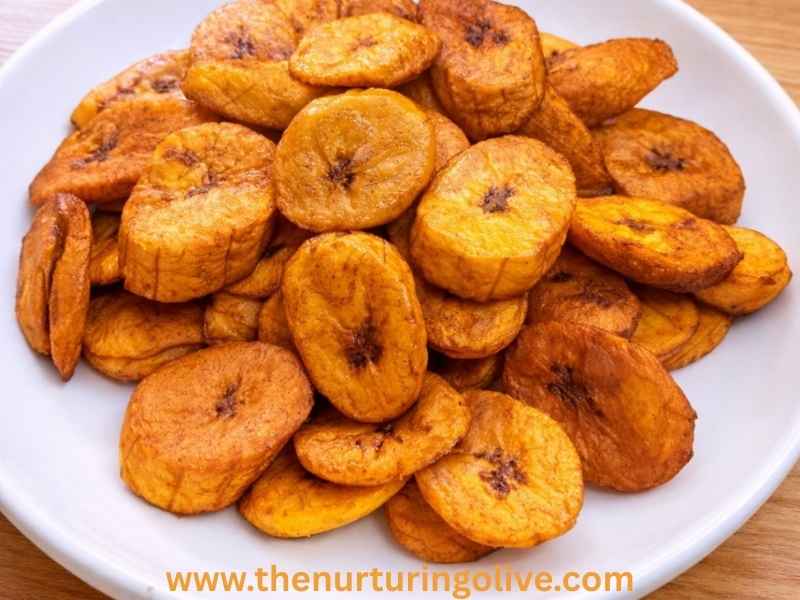
If you have ever wondered how to fry plantain perfectly – golden, crispy on the outside, soft and sweet on the inside and not soggy; you are not alone. It sounds simple, almost too simple. After all, it’s just plantain and oil, right?
That’s exactly what I thought.
Frying plantain is supposed to be easy. It’s not like preparing a complicated dish with many steps. Plantain, popularly called Dodo in Nigeria should be one of the most straightforward foods to cook.
Yet surprisingly, so many people struggle with it.
I did too.

This call to mind my first few attempts when I was in school. I was confident, excited… and then disappointed. The plantain soaked up too much oil and turned soggy. Other times, it browned too quickly and burned before cooking through. And yes, I used to sprinkle salt on it because I was told it would make it sweeter.
But over time, I learned something important.
Ripe plantain is already naturally sweet.
Adding salt to “make it sweeter” is unnecessary – and honestly, not the healthiest habit, especially when cooking for your family. The first time I stopped adding salt, I was surprised. The plantain was still delicious. Still sweet. Still beautifully golden. And no one even noticed the difference.
That was when I began to truly understand that learning how to fry plantain is not just about dropping slices into hot oil. It’s about understanding ripeness, temperature, timing, and allowing the natural flavor to shine.
Before we dive into the method, let’s take a moment to appreciate where this beloved dish comes from.
Enjoy crispy Nigerian Akara (Bean Cake) made right at home.
Crispy Nigerian Akara Recipe: How to Make Perfect Bean Cake at Home
A Brief History of Fried Plantain

Fried plantain has been enjoyed for centuries across West Africa, the Caribbean, and Latin America. Plantains are believed to have originated in Southeast Asia, but they were introduced to Africa long ago through early trade routes. Because they thrive in warm climates and are highly filling, they quickly became a staple food across tropical regions.
In West Africa – especially in countries like Nigeria and Ghana, frying ripe plantain became one of the most popular ways to enjoy its natural sweetness. As African food culture spread across the Atlantic through migration and trade, fried plantain became deeply rooted in Caribbean and Latin American cuisines.
What began as a simple home-cooked side dish gradually became a comfort food served everywhere, from weddings and family gatherings to street corners and restaurants.
Today, it remains one of the most loved side dishes across many cultures.
Different Names for Fried Plantain
One beautiful thing about fried plantain is how many names it carries across the world:
- Dodo – Commonly used in Nigeria
- Kelewele – A spiced fried plantain popular in Ghana
- Tostones – Twice-fried unripe plantain in many Caribbean countries
- Maduros – Sweet fried ripe plantain in Latin American cuisine
- Simply called fried plantain in many homes worldwide
Each name reflects local traditions, spice blends, and preferences for ripeness. Some cultures prefer ripe and sweet; others prefer unripe and savory. Some add spices; others keep it simple.
Prepare soft and flavorful Moi Moi with Simple Ingredients.
Step-by-Step Guide: How to Make Moi Moi (Nigerian Bean Pudding) Without Peeling Beans
Why Frying Plantain Isn’t Always as Easy as It Looks

Although it appears effortless, frying plantain comes with a few common challenges:
- Burning too quickly: Ripe plantains contain natural sugars that caramelize fast. If the oil is too hot, they burn before cooking properly.
- Too soft or soggy: Low heat or overcrowding the pan causes plantain to absorb excess oil.
- Uneven browning: Thick or uneven slices cook at different speeds.
- Wrong ripeness:
- Too unripe → Not sweet enough
- Too overripe → Too soft and difficult to flip
Mastering the perfect balance of heat, timing, and ripeness is what transforms ordinary slices into that golden, crispy result everyone loves.
And that is exactly what we are about to do.
If you’re ready to finally master how to fry plantain without burning it or ending up with soggy pieces, stay with me. In the next section, I’ll walk you step by step through the simple, healthy method that gives you perfect results; every single time.
Let’s get started.
Tools Needed to Fry Plantain
Plantain is a simple dish, so you do not need many tools.
Here is what you need:
- A frying pan
- Two bowls (one larger bowl for washing and one for slicing)
- A knife for peeling and slicing
- A sieve or colander for draining the plantain after frying
- A slotted spoon
- Parchment paper (optional) to line the sieve or plate for draining excess oil
That is all you need. Nothing complicated.
Try our smoky, party-style Nigerian Homemade Jollof Rice.
Ingredients Needed

Just like the tools, the ingredients are very minimal. This is not a main dish that requires many items.
You only need:
- Well-ripened plantain
- Groundnut oil (or any suitable oil for frying)
That is all. No extra ingredients are necessary.
How to Fry Plantain (Step-by-Step Method)
Now let’s properly move into how to fry plantain step by step and make sure it comes out well fried; not burnt and not soggy.
Step 1: Choose the Right Plantain (Very Crucial)
This is where many people miss it.
When sourcing the plantain you want to use, do not go for overripe ones, and do not choose the very hard unripe ones either.
If it is overripe, the chances of it absorbing too much oil and becoming soggy are high. It may also brown too quickly and start burning before the inside cooks properly.
If it is still hard, it will not be sweet enough. That is usually when people feel tempted to sprinkle salt on it because unripe plantain is not as sweet as ripe ones.
So look for ripe plantains that are:
- Yellow
- With some black spots
- Not too soft
- Not too hard
This step alone can help prevent burnt plantain, soggy plantain, and unnecessary addition of salt.

Step 2: Wash the Plantain
After selecting your plantain, cut off the bunches depending on how many you want to fry.
Put water in a bowl and add a small pinch of salt. Wash the plantain thoroughly. You may also wash it under running tap water. Whichever method you prefer.
Ensure it is properly cleaned before peeling.
Healthy Noodles Without Seasoning Sachet: A Delicious, Family-Friendly Homemade Recipe
Step 3: Peel the Plantain
Now use your knife to make a shallow slit along the length of the plantain peel (the outer skin).
Tip: You can consult the attached images below, to see how I slit the peel and remove it properly.
After making that mark with your knife, drop the knife and use your fingers to open the peel from that point. If the plantain is ripe, the peel will come off easily once you lift it from the slit you created.
Remove the peel completely.

Step 4: Slice into Your Desired Shape
Now you can begin slicing.
Be very careful while doing this because you are working with a knife.
Common shapes people like cutting plantain into include:
- Diagonal slices
- Round slices
- Long strips
- Cubes
- Slightly thick chunky pieces
Choose whichever shape you prefer.
Frying Whole Plantain (Optional Method)
In two or three of the plantains I fried, I did not slice them fully. Some people prefer this method to slice ones.
If you prefer it whole, after peeling, carefully used your knife to create small shallow cuts around the body of the plantain. This helps oil enter slightly so the inside can cook properly without burning or soaking too much oil.
You can fry these whole pieces together with the sliced ones.
Once you are done slicing, we now move to the frying proper.

Step 5: Prepare Your Frying Pan
Place your frying pan on the fire and make sure it is completely dry. If there is any water in it, allow it to dry properly first.
Once dry, add your cooking oil
Allow the oil to heat.
Try our Ogbono Soup Recipe – a richly drawing Nigerian soup made with ground ogbono seeds and packed with deep, comforting flavors.
Ogbono Soup Recipe: How to Make a Sumptuous, Drawing Nigerian Soup
Step 6: Heat the Oil to the Right Temperature
This step is very, very important.
If the oil is too hot, the plantain will brown too fast and may burn.
>If the oil is not hot enough, the plantain will absorb excess oil and become soggy.
You can use thermometer to check the temperature if you have. The ideal temperature is about 350°F (175°C).
If you do not have one:
- Do not test with your hand.
- You can drop a tiny piece of plantain or a small pinch of salt into the oil.
If it immediately sizzles and bubbles gently, the oil is ready.
>If it sinks quietly without bubbling, the oil is not yet hot enough.

Step 7: Fry in Batches
Use your slotted spoon to carefully add the sliced plantain into the oil.
If you prefer using your hand, add it gently and carefully so the oil does not splash on you.
Do not overcrowd the frying pan.
Some people try to save oil or time and end up filling the pan too much. When this happens, the pieces at the bottom may begin to burn before you notice. Overcrowding also makes turning difficult.
Fry in batches so each piece has enough space.
Step 8: Control the Heat and Stay Close
When you first put the plantain into the oil, allow it to fry on slightly higher heat for about 1-2 minutes. After that, reduce the heat to medium.
Avoid very high heat throughout, and avoid very low heat at the beginning. Balanced heat helps the inside cook properly while the outside turns golden.
Tip: Please stay close to the pan. Do not put it on the fire and go and attend to other things.
Step 9: Turn at the Right Time
Once the side touching the oil begins to show a light golden color, flip it to the other side.
Do not wait until it becomes dark brown before turning.
When both sides turn golden brown, your plantain is ready.
Be observant. The first pieces you added may cook faster than the last ones.

Step 10: Remove and Drain
Use your slotted spoon to remove the plantain from the oil.
Place it in your strainer or colander to drain excess oil. You can lay paper towel on it first before putting the plantain, if you have it. If you don’t, it is still fine.
Allow the oil to drain properly before transferring it to your serving plate.
At this point, your plantain should be:
- Golden
- Crispy outside
- Soft inside
- Not burnt
- Not soggy
And you will notice that the taste is still very good, even without salt.
If plantain already tastes sweet naturally, there is really no need to add extra sodium.
Classic Nigerian Egusi Soup Recipe: Step-by-Step Guide from My Family Kitchen
Serving Method

Plantain is very versatile.
For breakfast:
- Serve with pap (ogi), just as shown in the attached image.
- Pair it with fried eggs.
As a main meal:
- Serve with eggs and vegetables.
- Add protein like chicken or fish.
As a side dish:
- Jollof rice
- Fried rice
- Noodles
- Party meals
You can also eat it alone, and it will still be satisfying.
Start your morning with Lumps-Free, Non-Watery Pap.
How to Prepare Lumps-Free, Non-Watery Pap at Home (Step-by-Step Guide)
Frequently Asked Questions (FAQs)
How do I fry plantain without it becoming soggy?
Use moderately ripe plantain, heat the oil properly, and avoid overcrowding the pan. Drain excess oil immediately after frying.
Why does my plantain burn quickly?
The oil may be too hot, or the slices may be too thin. Ripe plantain browns fast because of its natural sugars.
Should I add salt before frying plantain?
No. Ripe plantain is naturally sweet and does not need salt.
What is the best oil for frying plantain?
Groundnut oil or vegetable oil works well because they handle heat properly.
Can I fry unripe plantain?
Yes, but it will not be sweet. It will taste more starchy.
Final Thoughts

Frying plantain may seem easy, but the small details make a big difference. The right ripeness, proper oil temperature, and careful monitoring will give you that perfect golden result.
Over time, I have learned that mastering how to fry plantain is less about adding extras and more about understanding the basics. Plantain is naturally sweet when ripe, so there is no need for unnecessary additions. Once you understand the basics of how to fry plantain, you will achieve consistent results every time.
Keep it simple, cook with care, and enjoy your perfectly fried plantain.
More Delicious Nigerian Recipes You’ll Love
If you enjoyed this Fry Plantain Recipe Guide, here are more rich, comforting Nigerian meals to explore:
-
Our flavorful Ọha Soup – another traditional favorite perfect for swallow lovers.
-
Ogbono Soup Recipe – a richly drawing Nigerian soup made with ground ogbono seeds and packed with deep, comforting flavors.
-
The deeply nourishing Black Soup, rich in vegetables and bold flavors.
-
A classic Edikang Ikong Soup Recipe packed with leafy goodness.
-
Our homemade Tomato Stew, perfect for rice and everyday meals.
-
Learn how to make Noodles Without Seasoning Sachets for a healthier twist.
-
Try our smoky, party-style Nigerian Homemade Jollof Rice.
-
Start your morning with Lumps-Free, Non-Watery Pap.
-
Enjoy crispy Nigerian Akara (Bean Cake) made right at home.
-
Prepare soft and flavorful Moi Moi with Simple Ingredients.
For lighter and healthier options, you can also try:
Ready to Fry, Enjoy, and Share?
Now that you’ve learned how to fry plantain perfectly, it’s your turn. Bring this golden, crispy, family-loved snack to your table and enjoy the sweet satisfaction it brings.
But don’t stop here.
At The Nurturing Olive, we don’t just cook meals, we build homes rooted in faith, love, and nourishment.
Explore more comforting Nigerian recipes.
Strengthen your family through our parenting and marriage guides.
Grow spiritually with our Christian living and prayer content.
And immerse yourself in our powerful Christian drama stories like When Blood Is Not Enough and Mgbọrọgwụ (Root).
There is something here for your kitchen, your marriage, your parenting journey, and your faith walk.
If this recipe blessed you, inspired you, or helped you finally achieve that perfect draw, please share it, leave a comment, and subscribe.
Let’s keep nurturing love, one meal and one story at a time.
Subscribe to our blog for more family meals with authentic step by step guide, powerful family dramas, real-life inspired stories, and lessons on godly parenting & family life, marriage, prayer & spiritual growth, and healthy food and drinks that strengthen homes from the inside out.
Please take your time, explore, and enjoy. There’s always something special waiting for you here and don’t forget to subscribe so you won’t miss new recipes, family posts, and kitchen inspiration shared with care and love.
Thank you so much for stopping by today. I truly appreciate you always.
Also, don’t miss our Godly films on YouTube. They are stories that bring faith to life in powerful, relatable ways. They’ll encourage you, inspire you, and help you see God’s hand in everyday moments.
Watch here: Christ Love Crusaders Ministries YouTube Channel

