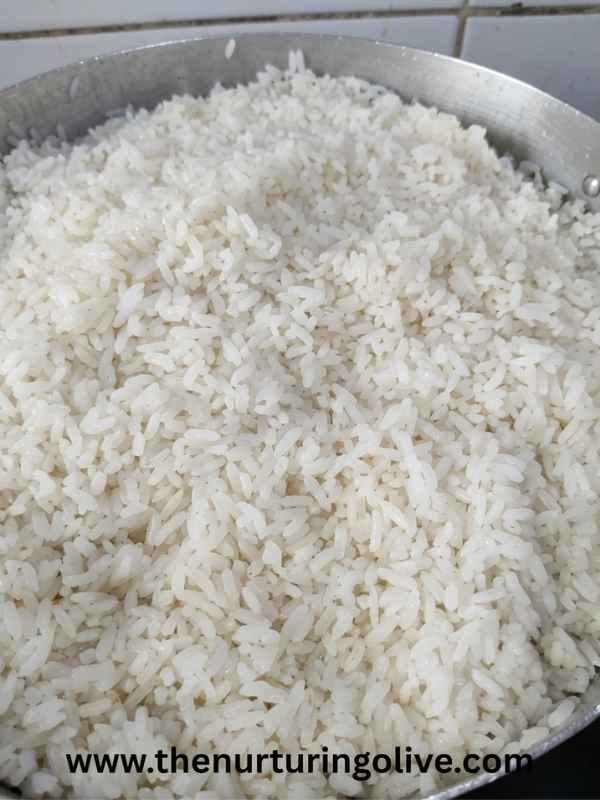
How to cook white rice is one of the most important kitchen skills every home cook should learn, especially when aiming for perfect white rice that is not soggy or sticky. White rice is one of the easiest foods to prepare, yet one of the most essential staples in many homes. Once you understand how to cook it properly, many kitchen challenges become easier to manage.

White rice is a very versatile dish that can solve a lot of cooking pressure because it can be paired with almost anything. It is a meal families prepare both during celebrations and in times when food options are limited.
White rice can be eaten with tomato stew, vegetable sauce, egg sauce, pepper soup, ofe akwu (banga stew), and even traditional soups like egusi, afang, edikang ikong, and other Nigerian soups. It blends easily with different meals, making it one of the most common dishes in almost every home.
Today, with the rising cost of food, many families rely heavily on rice. In fact, it is now common to find households eating rice two to three times a week or even more.
I still remember a conversation with a family pastor who visited us. We were discussing life challenges when he asked my husband how many bags of rice we consume in a year. When my husband replied that we had not even reached three bags, he was shocked. He said in his home, they finish more than three to four bags in a year because they eat rice almost every day. That moment opened my eyes to how deeply rice has become part of daily life in many homes.
Even among friends, it is the same story – rice is often the go-to meal for school lunch, quick family meals, and easy home cooking. It shows just how important and irreplaceable white rice has become.
However, despite how simple it looks, many people still struggle with it. One of the biggest challenges people face is that their rice turns out soggy, sticky, or overly soft. Sometimes it becomes gummy, clumps together, or loses its perfect texture, making it less enjoyable to eat.
But the good news is that it doesn’t have to be that way.
Why White Rice Is So Important in Every Home

White rice is also very friendly for children and picky eaters. Most children naturally prefer rice over other heavy meals, making it a reliable family option.
Growing up, I remember how my mother would quickly prepare white rice with a little oil and salt whenever there was no elaborate plan for dinner. It was simple, satisfying, and always accepted by everyone at home.
This is why learning how to cook it properly is so valuable. once you master it, white rice becomes one of the most dependable meals in your kitchen.
In this guide, I will walk you step by step through how to cook perfect white rice that is fluffy, non-soggy, and not sticky, using simple kitchen methods you can apply at home. You will also learn practical tips that ensure your rice comes out perfect every single time.
This method is simple, beginner-friendly, and designed to help you avoid common rice cooking mistakes.
Tools Needed to Cook Perfect White Rice
For this recipe, I use:
- One pot (for cooking)
- One bowl (for washing rice)
- One sieve (for draining rice)
- Small spoon (for testing rice)
These are basically all the tools needed for cooking white rice.
Ingredients for Cooking Perfect White Rice (Non-Soggy and Not Sticky)
The ingredients are simple:
- White rice (I use 1 mudu of rice)
- Water
Optional:
- A pinch of salt (optional)
- Small drops of cooking oil (optional but recommended for non-sticky rice)
Cooking oil helps achieve a separated, non-soggy rice texture at the end.
Water Measurement Guide for Perfect Non-Soggy White Rice (Important Guide)
One of the biggest secrets to learning how to cook white rice that is not soggy or sticky is using the correct water measurement.
If you are using the absorption method (where the rice cooks until the water dries inside it), the standard measurement is:
1 cup of rice = 1½ to 2 cups of water
So for example:
- 2 cups rice → use about 3-4 cups water
- 4 cups rice → use about 6-8 cups water
- 8 cups rice (which equals 1 mudu) → use about 12-16 cups water
However, in this recipe, we are using the restaurant-style parboil-and-drain method, which is slightly different.
In this method:
- the rice is washed first
- parboiled
- drained
- then cooked again in fresh boiling water
- and sometimes drained again before final drying
Because excess water is removed during cooking, the water measurement is more flexible than the absorption method.
For example:
1 mudu (about 8 cups of rice) can be cooked with about 20 cups of water using this method, since the extra water will be drained later to achieve that beautiful separate, fluffy restaurant-style texture.
So the most important thing is to adjust your water based on the quantity of rice you are cooking and the cooking method you are using.
Getting this step right makes a big difference when learning how to cook perfect white rice that is not soggy and not sticky every time.
Step-by-Step Method: How to Cook White Rice (Restaurant Style)
In this section, I will guide you step-by-step on how to cook white rice that is not soggy and not sticky, using the same restaurant-style method that produces well-separated, fluffy rice grains.
Please follow each step carefully and use the attached pictorial guide images as you cook along.
Step 1: Measure and Inspect the Rice
For this recipe, I used one mudu of white rice.
Start by selecting good-quality well dried rice, whether long-grain or short-grain. Check properly to make sure there are no stones inside. If you notice any stones or dirt, remove them before cooking.
Step 2: Start Boiling Water Before Washing the Rice
This is a restaurant-style technique many people do not know.
First, pour water into the pot you will use for cooking and place it on fire. The water should be enough to parboil the rice.
Unlike the traditional method where people parboil before washing, in this method the rice is washed before parboiling. This technique helps produce a better rice texture and prevents sogginess.
This is the same method I learned from my mother, and it has always worked perfectly.
Step 3: Wash the Rice Thoroughly Before Parboiling
Transfer the rice into a bowl and wash it properly using cold water.
Wash the rice at least three times until it becomes clean.
If you like, you can add a little salt while washing. This step is optional, but it helps remove hidden dirt.
Step 4: Add the Washed Rice into the Hot Water to Parboil
Once the water on the fire is boiling or almost boiling, pour the washed rice into the pot.
Cover the pot and allow the rice to parboil for 5-10 minutes.
Step 5: Drain the Parboiled Rice Immediately
After parboiling, turn off the fire and pour the rice into a sieve to drain the hot water.
Remove the sieve from the hot water immediately so the rice does not continue cooking inside the heat.
Important reminder:
Do not wash the rice again after parboiling. It has already been washed before parboiling.

Step 6: Boil Fresh Water for the Final Cooking Stage
Return the pot to the fire and pour fresh water into it.
Fill the water to about half of the pot level, then cover the pot and allow the water to boil properly before adding the rice.
This step helps prevent the rice from staying too long on fire and becoming soggy.
Step 7: Add Salt or Cooking Oil if Needed
At this stage, if you like, you can add:
- a pinch of salt
- or a few drops of cooking oil
Some people prefer adding salt so the rice balances well with stew later.
If you are not sure about the quality of the rice, adding 3-5 drops of cooking oil helps keep the rice grains separate.
Do not use palm oil so the rice will not change colour.
Step 8: Add the Parboiled Rice into the Boiling Water
Once the water begins to boil properly, transfer the parboiled rice from the sieve into the pot.
Do not wash the rice again at this stage.
You may leave the pot open or slightly open so the foam will not spill over while cooking.

Step 9: Cook Until the Rice Becomes Tender
Allow the rice to cook for about 10-20 minutes, checking the tenderness from time to time.
Once the rice becomes soft and easy to chew, it is ready for the next stage.
Step 10: Restaurant Secret for Perfect Non-Soggy Rice
Here is one important secret restaurants use.
Once the rice becomes tender, pour it into the sieve again and allow the remaining water to drain completely.
After draining the water, return the rice back into the pot and place it on very low heat so any remaining moisture at the bottom can dry gently.
When you begin to hear a light drying sound from the pot, turn off the fire immediately.
This step helps produce that beautiful separate, fluffy restaurant-style white rice texture.

Optional Alternative Method for Final Drying
If there is only a small amount of water left after cooking, you may allow the rice to dry naturally inside the pot.
Just reduce the heat so the rice will not burn.
However, the best restaurant-style method is draining the rice again before the final drying stage.
Congratulations!
You have successfully cooked white rice that is not soggy and not sticky, perfect to enjoy with your pepper soup or any stew of your choice.
Cooking Tips for Perfect Non-Soggy White Rice

If you want your white rice to come out fluffy, separate, and restaurant-style every time, these simple tips will help you get the best results consistently.
Always Wash the Rice Before Parboiling
Washing removes excess starch and dirt from the rice. This helps prevent the rice from becoming sticky during cooking.
Wash the rice at least three times until the water becomes clearer.
Use the Right Water Measurement for Your Cooking Method
If you are using the absorption method, follow the 1 cup rice to 1½-2 cups water rule.
But for the restaurant-style parboil-and-drain method used in this guide, ensure the rice has enough boiling water to cook freely and then drain the excess water later for the best texture.
Do Not Wash Rice Again After Parboiling
Once the rice has been washed before parboiling and then parboiled, there is no need to wash it again.
Washing again at this stage can make the rice soggy.
Add a Few Drops of Cooking Oil if Needed
Adding 3-5 drops of vegetable oil or olive oil helps the rice grains stay separate, especially if the rice quality is not very strong.
Avoid using palm oil so the rice will remain white.
Allow the Water to Boil Before Adding the Rice
Always make sure the water is properly boiling before adding the parboiled rice. This helps the rice cook evenly and prevents it from becoming gummy.
Avoid Over-Stirring the Rice While Cooking
Too much stirring can break the rice grains and make the texture sticky instead of fluffy.
Use the Restaurant Secret Final Draining Method
Once the rice becomes tender, drain the remaining water and return the rice to low heat briefly so the extra moisture dries off.
This is one of the biggest secrets to achieving perfect non-soggy white rice.
Best Ways to Serve White Rice

One reason many families cook white rice several times each week is because it can be served with many different meals.
You can enjoy your freshly cooked white rice with:
- pepper soup
- tomato stew
- vegetable sauce
- egg sauce
- egusi soup
- afang soup
- edikang ikong soup
White rice is also very easy for children to eat, especially during the weaning stage, and it can even be served simply with a little oil and salt when a quick meal is needed.
Because of how versatile it is, learning how to cook white rice perfectly is one kitchen skill every home cook should have.
How to Cook Nigerian Pepper Soup (Step-by-Step Guide and Recipe)
FAQs about How to Cook White Rice Perfectly
Why does my white rice always turn soggy?
White rice usually becomes soggy when too much water is used or when the rice is washed again after parboiling.
Using the correct water level and draining excess water at the right stage helps prevent sogginess.
Should I wash rice before cooking?
Yes.
Washing rice before cooking removes excess starch and helps the grains stay separate after cooking.
Can I cook white rice without adding salt?
Yes.
Salt is optional. Some people add salt for taste, while others prefer plain rice so it balances better with stew or soup.
Why do restaurants’ white rice grains look separate?
Restaurants often use the parboil-and-drain method, then dry the rice briefly on low heat after cooking.
Sometimes they also add a few drops of cooking oil to improve grain separation.
How long should white rice cook after parboiling?
After parboiling and draining, white rice usually cooks for about 10–20 minutes in boiling water, depending on the quantity and type of rice.
Can I add cooking oil while cooking rice?
Yes.
Adding a few drops of vegetable oil helps prevent the rice from sticking together and improves texture.
What is the biggest secret to cooking perfect white rice?
The biggest secret is:
- washing before parboiling
- adding rice into already boiling water
- and draining excess water before final drying
These three steps help produce fluffy, separate restaurant-style white rice every time.
Final Thoughts on How to Cook Perfect White Rice That Is Not Soggy or Sticky

White rice is one of the simplest meals to prepare, yet it is also one of the dishes many people struggle to get right. From my own experience in the kitchen and from what I have seen in many homes, the biggest complaint is always the same – the rice turns soggy, sticky, or gummy before they even realize what went wrong.
That is exactly why I shared this restaurant-style step-by-step method with you.
This is the same method I learned from my mother, and it has helped me cook white rice successfully over the years without stress. Once you understand the simple secrets in this guide – washing before parboiling, adding rice into already boiling water, and draining excess water at the right time – cooking perfect white rice becomes easy and predictable every time.
Growing up, I also saw how valuable white rice was in the home. There were days when my mother simply cooked white rice and added a little oil and salt, and we were happy to eat it. That alone shows how dependable and important this simple meal can be in every family kitchen. Even today, many families prepare white rice several times each week because it works with almost any stew or soup and is easy for both adults and children to enjoy.
Learning how to cook white rice that is not soggy or sticky is one kitchen skill that can make everyday cooking easier for you and your family.
Try This Method in Your Kitchen Today
Now that you have seen the full step-by-step process together with the pictorial cooking guide, I encourage you to try this method yourself. Follow the steps carefully, especially the restaurant-style draining technique, and you will notice a big difference in your results.
If this guide helped you, you can:
- save this recipe for later
- share it with someone who struggles with cooking white rice
- or leave a comment about your cooking experience
You can also explore more of our recipes such as:
- Ofe Nsala ( White Soup)
- Smoky jollof rice
- Healthy noodles without seasoning cubes
- Oha soup
- Bitter leaf soup
- Egusi Soup
- Ogbono Soup
- Afang Soup
- Edikang Ikong soup
- Black soup
- Ofe Akwu (Banga Stew)
- Unripe Plantain Porridge
- Kunu Drink
- Zobo Drink
At The Nurturing Olive, we also share more than food. You will find:
- Christian devotionals
- Marriage and relationship wisdom
- Parenting and family life encouragement
- Family healthy food & drinks
- Prayer and spiritual growth
- Inspirational stories and drama
Everything is designed to help you build a stronger, peaceful, and love-filled home grounded in faith.
So explore, learn, cook, and grow with us and come back for more nourishing recipes and uplifting content.
Do not forget to subscribe and stay connected for more updates. If you enjoy video content, you can also follow us on YouTube where we share practical cooking and lifestyle guides.
If you enjoy content like this, we would love to stay connected with you. Follow us on Facebook for our daily posts on parenting, faith, family life, and nutritious food ideas that help families live healthier and happier lives.
Facebook: The Nurturing Olive
Thank you for stopping by, and God bless you.

