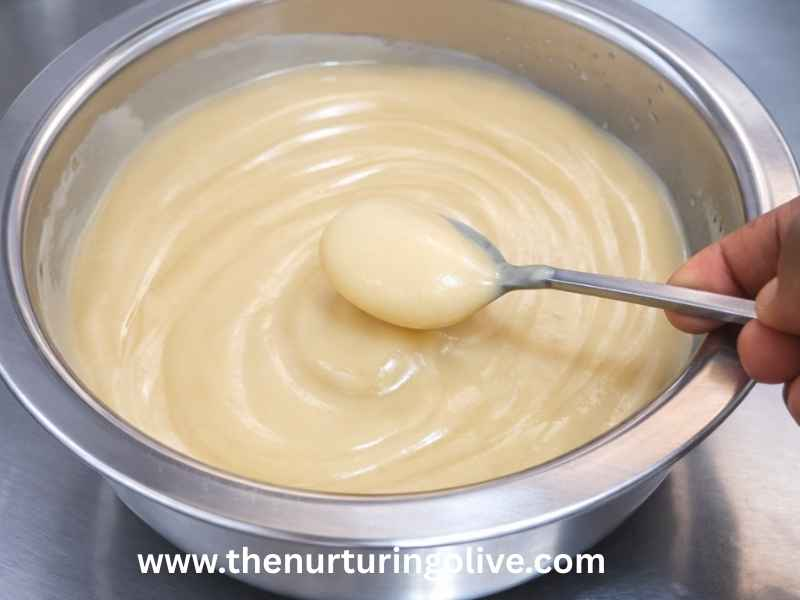
If you’ve ever wanted to make lumps-free non-watery pap, this guide will show you how to prepare it perfectly every time. Pap, popularly known in Nigeria as Akamu or Ogi, is a traditional fermented cereal food that has been part of the Nigerian diet for centuries.
It originated as a simple way of processing grains, especially maize and other grains, into a smooth, easily digestible meal suitable for people of all ages.
Pap is a very simple cereal that is consumed in Nigeria, especially for breakfast. It is a go-to meal whenever families need something quick, and it is not a rich man’s food.
Rich men and poor men alike can afford it, just like akara and all the rest.
Pap is also one of the foods African mothers, especially in Nigeria, use to feed their children. It is highly important, especially during weaning of the baby, because it is believed to be light on children and very fast to digest.
And because it is not a food that is lumpy or hard to eat, it’s always very easy for children to swallow.
It is the food that our parents fed us. I remember this well because I knew when my mother used to prepare this pap to feed our last born, my younger brother.
It is a well-accepted food in Nigeria, especially for children.
It is one of the breakfasts Nigerian homes give their children in the morning before they go to school. In fact, it is one of the best breakfasts for children as it is highly nutritious and you are sure of what you are feeding them – it’s not store-bought stuff filled with additives.

Pap Across Nigeria: Names, Origins, and Grains
Across Nigeria, pap is known by different names. The Igbo call it akamu, it is called ogi in Yoruba, koko in Hausa, and the English name is pap or corn porridge. But despite the different names in all the different tribes in Nigeria, the preparation and purpose remain largely the same. Pap is traditionally made by soaking grains in water, allowing them to ferment, and then milling and sieving them into a smooth paste. Common grains that can be used include maize (corn), sorghum, and millet.
In Igbo land, where I was raised, maize is what we normally use to prepare pap. It was only when I traveled outside my land that I discovered pap can also be made with sorghum and millet, which is called dawan joro by the Hausa tribe. Sorghum is often used in northern Nigeria, while millet, valued for its nutritional benefits, is also mostly used in the north. Some people combine these grains for richer flavor and nutrition. The woman who introduced me to this method taught me how to combine maize, sorghum, and millet to achieve a beautiful result. Since then, this has been the method I usually use because it is richer in flavor and highly nutritious.
Why Pap is Highly Valued

Affordable and Accessible
Pap is highly valued because it is very affordable and easy to get. It’s not a food only meant for the rich, and it’s not difficult to prepare. With just a small amount of money, any family can make pap at home, making it a staple food across Nigeria.
Easy to Digest
Another reason pap is so appreciated is that it is very easy to digest. This makes it ideal for infants, the elderly, and people recovering from sickness. Its smooth and light texture ensures that it does not strain the stomach while providing nourishment.
Filling and Nourishing
Pap is more than just a light meal. When paired with foods like akara or moimoi, it becomes a complete, filling meal. It provides the energy and nutrients needed to start the day, making it a reliable breakfast option for families.
Culturally Significant
Pap has deep cultural significance in Nigeria. It is commonly served during breakfast and family gatherings, symbolizing comfort and togetherness. Over generations, it has remained a symbol of simplicity and nourishment, forming part of cherished family traditions.
Versatile for All Ages
Pap is versatile and suitable for everyone, from babies to adults. It serves as a weaning food for infants, a comforting meal for the sick or elderly, and a companion food for snacks such as beans, plantain, moimoi or akara. Its adaptability across ages and occasions is one of the reasons it has remained a staple in Nigerian homes.
Click here for a simple, step-by-step guide to frying crispy Nigerian Akara.
Crispy Nigerian Akara Recipe: How to Make Perfect Bean Cake at Home
The Challenge People Face in Making Pap
I discovered that a lot of people are actually afraid of making pap; not that they don’t like it. I’ve read so many stories online about this. One young man, for example, happily wrote on Facebook that he had finally figured out how to make pap. He confessed that because of fear of making it, he had not been enjoying pap the way he wanted.
Scrolling through the comment section, I was surprised to see how many people admitted that they are intimidated by the thought of making pap. Many said they didn’t believe they could ever make it stand properly.
This is one of the reasons I wrote this post-to show you how easily you can make this delicious pap at home. You can enjoy it simply with milk and sugar, or pair it with akara or moimoi for a complete breakfast. So if you are one of those who have always been afraid, ask yourself: How can I make a lumps-free non-watery pap? Let me hold your hand as we walk through the process together.
Tools for Making Pap
You only need very simple tools:
- A bowl for mixing
- A spoon for stirring
- A kettle for boiling water
That’s all.
Ingredients

The ingredients needed to make this pap are very few and simple.
- Pap (akamu/ogi) – this is the main ingredient and what we are building on
- Cold or lukewarm water – used to dissolve the pap lumps into liquid form
- Hot boiling water – used to cook the pap and bring it to the right texture
These are the only three ingredients required. Nothing more.
Step-by-Step Method for Making Lumps-Free, Non-Watery Pap
This method will help you achieve pap that is smooth, firm, and perfectly cooked without lumps and without excess water. Many people complain that their pap always turns lumpy or watery, but this simple process fixes that completely. You can achieve this within five minutes.
Step 1: Prepare and Store Your Pap
I always make my pap from scratch and store it in the fridge. Whenever I want to use it, I simply remove the quantity I need.
If you buy pap from the market or receive it as a gift, that’s perfectly fine. You can store it in the fridge and use it as needed.
If you don’t have a freezer, you can still store your pap by keeping it submerged in clean water. It can stay fresh for two to three days, but you must change the water at least twice daily-morning and evening to prevent it from going bad.
For this preparation, I removed my pap from the fridge, allowed it to soften slightly, then took a medium quantity and placed it in a bowl.
Tip: If you’re just starting, begin with a medium portion. Too little pap can be difficult to control and may lead to mistakes.
Step 2: Boil Your Water First
Before anything else, put water in a kettle and place it on fire to boil.
This hot water is what you will use to cook the pap, so it must be boiling hot when needed.
Step 3: Dissolve the Pap Properly
While the water is heating, add a very small amount of cold or lukewarm water to the pap in the bowl; just a little at a time.
This stage is very important. If you add too much water at once or fail to dissolve the pap properly, you may end up with either a watery mixture or stubborn lumps.
Wash your hands very well and use your clean hands to dissolve the pap. At this learning stage, hands work better than a spoon because you can feel and detect any remaining lumps. Dissolve until the pap becomes smooth and liquid, not too thick and not too watery; just medium consistency, as shown in the images.

Step 4: Stir Again Before Adding Hot Water
Pap settles very quickly in water. Even after dissolving it, it can separate and sink to the bottom within seconds.
So just before adding the hot water, stir the pap liquid thoroughly again using your hand or a spoon. This step is crucial. If you skip it and pour hot water directly, the settled pap will turn into lumps immediately.

Step 5: Add Hot Water Carefully
Once the kettle water boils, begin pouring it into the pap gradually, not all at once.
Pour in a circular motion while stirring continuously. Keep a close watch on the pap. The moment you notice a change in color and texture, stop pouring the hot water immediately.
Do not wait until it reaches your final desired thickness. Pap thickens further on its own as you continue stirring.

Step 6: Stir Immediately and Continuously
After stopping the hot water, do not leave the pap even for a few seconds. Stir it immediately and continuously with your spoon.
If you leave it unattended, it will form into one solid lump. Pap is not something you prepare and walk away from like garri. It requires attention at this stage.
Continue stirring until the pap cools properly and smooths out completely.
Your smooth, lump-free, non-watery pap is ready to serve and enjoy.
Serve the pap hot or warm in a bowl. Pair it with milk, sugar/honey, or a savory side like akara, moi moi, or plantain, depending on preference.
Click here for a simple, step-by-step guide to frying crispy Nigerian Akara.
Crispy Nigerian Akara Recipe: How to Make Perfect Bean Cake at Home
Important Tips to Remember
- Always stir the pap again just before adding hot water.
- Add hot water gradually and in a circular motion, not in one spot.
- Stop pouring water immediately once you notice a change in color and texture.
- Keep stirring continuously after adding hot water.
- Do not leave pap unattended at any stage.
- You can add sugar or milk while still stirring. Do not allow the pap to sit before adding them, as it may begin to form lumps or grainy seeds again.
- If you are a beginner, always start with corn pap. Do not begin with sorghum pap, millet pap, or a combination of both. These grains are stronger and more difficult to handle, and they are best managed by people who are already experienced in making pap, especially those who have grown up making it regularly.
- Corn pap is faster and easier to catch, making it the best option for beginners learning how to make lump-free, no-watering pap.
- The pap shown in the displayed images is a combination of maize, millet, and sorghum. While you can use any of the three or combine them for richer nutrition, it is strongly recommended that beginners start with corn pap before attempting millet, sorghum, or mixed-grain pap.
Frequently Asked Questions About Making Lumps-Free, Non-Watery Pap
How do I add water to achieve a lumps-free, non-watery pap?
Water must be added gradually and carefully, starting from the mixing stage. When dissolving the pap lumps, add cold or lukewarm water bit by bit until the mixture becomes smooth. It must not be too thick and must not be too watery before adding hot water.
If a mistake is made at this stage, there is no miracle that can fix it later. It is better for the pap mixture to be slightly thick than watery. When pap becomes watery, the only way to correct it is by putting it back on fire and turning it, which often affects the taste and texture negatively. Always refer to the attached images as a guide.
What type of cereal is best for making pap as a beginner?
If you are just learning how to make pap, corn (maize) cereal is the best option. It is easier to handle and easier to catch when forming pap. Beginners should avoid millet or sorghum at first, as they are stronger and more difficult to manage. Once you have mastered corn pap, you can then introduce other grains.
Are there any additives I can include to improve the taste and nutrition of pap?
Yes. After mastering the basic steps, you can enrich your pap by adding healthy additives such as tiger nuts, soya beans, or coconut during the grinding stage. Tiger nuts improve both taste and nutritional value, while soya beans are very good for children and even adults, as they increase the protein content of the pap and make it more nourishing. Coconut can also be added for extra flavor, depending on your preference. These additions are optional and can be combined or used individually based on what you want to achieve.
How do I preserve raw pap so it does not go bad?
Pap can be preserved in two ways:
- Freezer storage: After sieving and filtering, store the pap in an airtight container and place it in the freezer. It can last for several months if electricity is stable. When needed, bring out only a small portion, cut what you need, and return the rest to the freezer.
- Water storage (without freezer): If you don’t have a freezer, store the pap submerged in clean water. Change the water morning and night and do not keep it for more than three days to avoid spoilage.
How do I know when my pap is properly cooked?
Your pap is cooked when you notice a clear change in color and texture. It will become smooth, creamy, and firm as you stir. Once this change occurs, stop adding hot water and continue stirring until fully set.
Why does my pap still form lumps after cooking?
Pap forms lumps when:
- The dissolved pap is not stirred again before adding hot water
- Hot water is poured directly without stirring
- The pap is left unattended after adding hot water
Continuous stirring and close attention are key to preventing lumps.
Final Thoughts On How To Prepare A Lumps-Free, Non-Watery Pap

Learning how to prepare a lumps-free, non-watery pap is not as difficult as many people think. The secret lies in understanding the process, paying close attention at each stage, and practicing with patience. From properly dissolving the pap with small amounts of water, to stirring again before adding hot water, and stopping immediately when the color and texture change. Every step matters.
Pap is a simple, nourishing, and deeply rooted Nigerian food that deserves to be enjoyed without fear. Once you master this method, you will find that making smooth, firm, and delicious pap becomes easy and stress-free. Whether you enjoy it with milk and sugar, pair it with akara or moimoi, or prepare it as a healthy meal for children, this method guarantees consistent results every time.
With regular practice, you will gain confidence and even begin to explore other grains and nutritious additions. For now, start simple, stay attentive, and enjoy the satisfaction that comes with successfully making lumps-free, non-watery pap at home.
Click here for a simple, step-by-step guide to frying crispy Nigerian Akara.
Crispy Nigerian Akara Recipe: How to Make Perfect Bean Cake at Home
Let’s Hear from You!
Now over to you
- Did these steps help you achieve lumps-free, non-watery pap at home?
- Which tip made the biggest difference for you while preparing your pap?
Drop your thoughts in the comments, react to this post, and don’t forget to share this recipe with someone who struggles with watery or lumpy pap.
If you enjoyed this, be sure to check out our other Nigerian recipes and kitchen guides, including:
- How to cook Oha soup (Ofe oha)
- How to make moimoi with simple ingredients
- How to cook noodles without seasoning sachets for a healthy twist
- How to cook Edo State black soup
- How to make the most delicious five-star restaurant egusi soup at home
- How to cook Vegetable Edikang Ikong soup
- How to cook most healthy Tomato Stew at home
- How to make pap and more!
- How to fry a crispy Nigerian Akara (Bean Cake) at home
And if you enjoy family-related posts, parenting tips, or marriage and relationship guidance, explore our other articles on parenting, marital bliss, inspirational stories and drama, and everyday life lessons.
For readers who love stories, you can also check out our captivating stories like
Subscribe to our blog for more family meals with authentic step by step guide, powerful family dramas, real-life inspired stories, and lessons on godly parenting & family life, marriage, prayer & spiritual growth, and healthy food and drinks that strengthen homes from the inside out.
Please take your time, explore, and enjoy. There’s always something special waiting for you here and don’t forget to subscribe so you won’t miss new recipes, family posts, and kitchen inspiration shared with care and love.
Thank you so much for stopping by today. I truly appreciate you always.
Also, don’t miss our Godly films on YouTube. They are stories that bring faith to life in powerful, relatable ways. They’ll encourage you, inspire you, and help you see God’s hand in everyday moments.
Watch here: Christ Love Crusaders Ministries YouTube Channel

