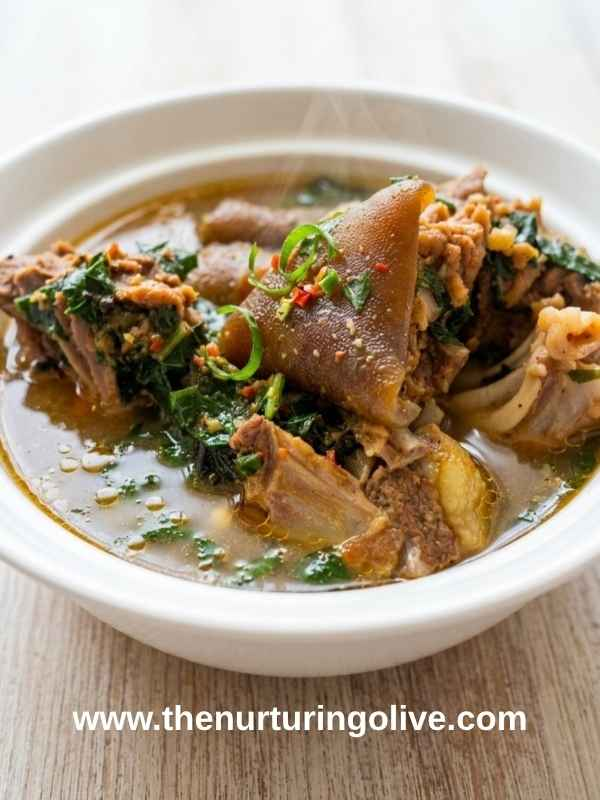
Pepper soup is warm, spicy, comforting, and deeply satisfying. But beyond being a simple meal, Nigerian pepper soup recipe is an experience many families cherish for years.

Growing up, pepper soup was always something special in our home. I still remember how my father would sometimes surprise us in the evening whenever he had a little extra money and wanted the family to enjoy something comforting together.
He would hand me some money and send me to a popular evening pepper soup spot nearby. Those places were always lively and filled with people relaxing after the stress of the day, sharing laughter, conversations, and bowls of hot pepper soup.
The vendor would carefully dish the pepper soup into food flasks, and I would hurry back home with excitement. The moment we opened the flask at home, the rich aroma would fill the entire house.
It always tasted so delicious and comforting as if it was the very first time we were eating pepper soup again. That simple family moment remains one of my warmest childhood memories.
How to Make Ofe Nsala (White Soup) – Authentic Nigerian Step-by-Step Recipe Guide
Across Nigeria and many parts of West Africa, evening relaxation spots such as pepper soup joints, buka corners, beer parlours, and roadside grills are never complete without pepper soup. It restores energy, calms the body, and brings people together after the stress of the day.
Today, I continue that same tradition with my own family. Sometimes I prepare pepper soup at home, and other times my husband and I take the children out in the evening so they can enjoy the experience of bonding over a warm bowl of pepper soup just like I did growing up.
Those simple outings create beautiful memories that stay with us.
Why Pepper Soup Is So Loved in Nigeria

In most Nigerian homes, pepper soup appears in many variations depending on the protein used. Some people prefer goat meat pepper soup for its rich traditional flavor. Others enjoy catfish pepper soup, while many prepare it with assorted meat, chicken, turkey, or intestines.
Each variation has its own unique taste, yet they all deliver the same comforting warmth pepper soup is known for and prepared the same way.
One reason pepper soup is so widely loved is not just its taste, but the warmth and strength it brings to the body.
It is commonly enjoyed:
- on cold evenings
- by new mothers for recovery
- during family visits and celebrations
- at gatherings and meetings
- and at the beginning of a new month as a refreshing comfort meal
Pepper soup is light, nourishing, and deeply comforting. Just like white soup (Ofe Nsala), it is appreciated not only as food but also as something restorative.
How to Make Ofe Nsala (White Soup) – Authentic Nigerian Step-by-Step Recipe Guide
Truly, pepper soup is more than a meal. Nigerian pepper soup recipe is hospitality in a bowl, shared during meaningful conversations and family bonding moments.
Tools Needed to Cook Nigerian Pepper Soup Recipe
This recipe requires only a few simple tools. Most of which you already have at home:
- Mortar and pestle or blender (for grinding pepper and spices)
- Frying pan (optional, for toasting spices)
- Cooking pot
- Cooking spoon or spatula
- Cutting board (optional)
- Knife
That is all you need to prepare this delicious Nigerian pepper soup.
Ingredients Needed for Nigerian Pepper Soup Recipe

Protein (Main Ingredient)
For this recipe, I used 2 kg of goat meat, which served about 5 portions and lasted for additional meals.
You can also use:
- catfish
- beef
- chicken
- turkey
- assorted meat
- intestines
The cooking method remains the same.
Other Ingredients
- Fresh ginger – 3 fingers
- Garlic – 5 big cloves
- Ehuru (African nutmeg) – 1 tablespoon
- Uziza seeds – 1 tablespoon
- Pepper soup spice – 1 tablespoon
- Fresh red pepper (10-15 pieces)
- Red onion – 1 medium bulb
- Scent leaf – 1 handful
- Utazi leaf – optional (small quantity)
- Crayfish – optional
- Salt – to taste
- Seasoning cubes – to taste
Step-by-Step Method: Nigerian Pepper Soup Recipe (How to Cook It)
Now let’s talk about the step-by-step method of preparing this flavorful, spicy Nigerian pepper soup using goat meat.
The first step is always preparation. I like to prepare all my ingredients before cooking because food is always easier and more organized when everything is ready and set aside before the main cooking begins. This helps you avoid rushing back and forth while food is on fire, which may lead to burning or forgetting important steps.
Step 1: Wash the Protein Properly
Start by washing your protein thoroughly.
For this pepper soup recipe, I used goat meat, but you can also use:
- catfish
- chicken
- turkey
- beef
- assorted meat
- intestines
Wash the meat properly with salt about two to three times to remove dirt and ensure it is well cleaned. Once done, set it aside.

Step 2: Wash and Prepare Your Vegetables
Next, bring out your scent leaves.
Wash them thoroughly with salt. This is important because most vegetables sold in local markets may contain sand or dirt due to how they are harvested and handled.
Wash carefully and rinse properly to ensure there is no sand left in the leaves.
After washing:
- place the leaves on your cutting board
- slice them thinly or medium-sized depending on your preference
- or you can simply tear them with your hands if you prefer a more traditional method
Be careful when using a knife to avoid cutting your fingers.
Step 3: Toast Your Spices (Optional but Recommended)
Now take your ehuru (African nutmeg) and uziza seeds.
You may choose to toast them lightly in a dry pan for about 5 minutes on low heat. This step is optional, but it helps to release a stronger aroma and deeper flavor.
After toasting:
- transfer them into a blender and blend until smooth
or - pound them using a mortar and pestle
Set aside when done.

Step 4: Prepare Your Pepper Mixture
Now wash your fresh peppers thoroughly.
Transfer them into a blender or mortar.
Next:
- peel your ginger and garlic
- wash them properly
- add them into the pepper
Then:
- dice your onions into chunks
- add them into the mixture
Add a small amount of water and blend everything to your preferred texture.
At this stage, you have options:
- You can blend everything smoothly (pepper, ginger, garlic, and onions together)
- Or you can leave onions slightly chunky if you prefer seeing them in your pepper soup
- Some people also slice onions separately and add them directly into the pot
If you are cooking for children or people who don’t like seeing pepper seeds or onion pieces, it is better to blend everything smoothly.
Prepare for Cooking
Once all your ingredients are ready, your cooking process becomes very easy.
Now let’s move to the cooking stage where everything comes alive in the pot.
Step 5: Cooking the Pepper Soup Properly
Transfer your washed goat meat into a cooking pot.
Add your blended mixture (pepper, ginger, garlic, and onions) into the pot. If you chose to slice onions separately, you can add them directly instead.
Next, add:
- your pepper soup spice (store-bought or homemade)
- the blended or toasted ehuru (African nutmeg) and uziza seeds
- seasoning cubes or seasoning powder to taste
- salt to taste
Add a small amount of water, just enough to allow the meat to cook properly. Pepper soup should not be too watery, so use water sparingly.
Mix everything well using your cooking spoon so the ingredients coat the meat properly.
At this point, you may allow it to marinate for 10-30 minutes if you have time. This helps the spices soak deeply into the meat. If you don’t have time, you can proceed directly to cooking.
Place the pot on heat and begin cooking.

Step 7: Adjust and Cook to Perfection
Allow the pepper soup to boil for about 10 minutes, then check it.
At this stage:
- taste for salt
- adjust seasoning if needed
- check the spice level and adjust pepper if necessary
- add a little more water if the quantity is too low
Let it continue cooking until the meat becomes soft, tender, and easy to chew.
Step 8: Add Scent Leaves and Finish
Once the meat is well cooked, add your scent leaves.
Do not add everything at once, add it gradually or sparingly, depending on your preference.
Stir gently.
If you are using utazi leaves, add only a small quantity. Utazi has a bitter taste, and too much can overpower the pepper soup. However, when used lightly, it enhances the traditional flavor and aroma.
Continue stirring gently until everything is well combined.

Final Step: Your Pepper Soup is Ready
Your flavorful, spicy Nigerian pepper soup is now ready to enjoy.
Serve it warm immediately for the best taste and experience.
Pepper soup is best enjoyed hot because when it cools down, especially if prepared with fatty meat, it may become heavy or oily in texture.
So always serve warm. That is when it is at its most comforting, soothing, and delicious.
Nigerian Pepper Soup Recipe Cooking Tips
If cooking pepper soup with fish (especially catfish), remember:
- fish cooks very fast
- prepare all ingredients before cooking
- wash catfish with warm water and salt to remove slime
- remove intestines properly
- do not overcook fish
For goat meat pepper soup:
- male goat meat cooks faster than female goat meat (generally softer)
- always stay close while cooking
- pepper soup cooks within 15-30 minutes depending on protein
Classic Nigerian Egusi Soup Recipe: Step-by-Step Guide from My Family Kitchen
Serving Method of Nigerian Pepper Soup

Pepper soup is very versatile and can be enjoyed in different ways depending on personal preference, family tradition, or occasion.
1. Served Alone (Traditional Style)
The most common way to enjoy pepper soup is to serve it hot and fresh on its own.
It is deeply comforting, especially on cold evenings or after a long stressful day. The warm spicy broth, tender meat, and rich aroma make it a complete and satisfying meal by itself.
2. With White Rice
Pepper soup can also be served with white rice. In this case, the pepper soup acts like a light, spicy broth or stew over the rice.
It is a surprisingly delicious combination and very filling, especially when prepared with goat meat or assorted meat.
3. With Yam
Another popular method is serving pepper soup with boiled yam chunks cooked inside or eaten alongside it.
This version is especially common for new mothers, as it is nourishing, comforting, and easy to digest.
4. With White Agidi (Eko / Pap Jelly)
Pepper soup is also beautifully enjoyed with white agidi (eko or corn starch pudding).
White agidi has a smooth, soft, and slightly firm texture that pairs perfectly with the spicy and flavorful pepper soup broth. Many people love dipping or cutting the agidi into chunks and soaking it in the pepper soup sauce.
It is a very common and traditional Nigerian combination, especially in many homes and local eateries, and it adds a satisfying balance to the spicy heat of the soup.
5. With Swallow (Optional)
Some people also enjoy pepper soup with swallow, although it is less common.
It remains a matter of personal preference, just like white soup (Ofe Nsala), which is enjoyed with swallow.
How to Make Ofe Nsala (White Soup) – Authentic Nigerian Step-by-Step Recipe Guide


Explore More Delicious Step-By-Step Recipes From Our Kitchen
Now it’s your turn
Try this Nigerian pepper soup recipe in your own kitchen and enjoy the warmth, spice, and comfort it brings to your home.
If you enjoyed this recipe, you will also love our other Nigerian dishes such as:
- Ofe Nsala ( White Soup)
- Smoky jollof rice
- Healthy noodles without seasoning cubes
- Oha soup
- Bitter leaf soup
- Egusi Soup
- Ogbono Soup
- Afang Soup
- Edikang Ikong soup
- Black soup
- Ofe Akwu (Banga Stew)
- Unripe Plantain Porridge
- Kunu Drink
- Zobo Drink
At The Nurturing Olive, we also share more than food. You will find:
- Christian devotionals
- Marriage and relationship wisdom
- Parenting and family life encouragement
- Family healthy food & drinks
- Prayer and spiritual growth
- Inspirational stories and drama
Everything is designed to help you build a stronger, peaceful, and love-filled home grounded in faith.
So explore, learn, cook, and grow with us and come back for more nourishing recipes and uplifting content.
Do not forget to subscribe and stay connected for more updates. If you enjoy video content, you can also follow us on YouTube where we share practical cooking and lifestyle guides.
If you enjoy content like this, we would love to stay connected with you. Follow us on Facebook for our daily posts on parenting, faith, family life, and nutritious food ideas that help families live healthier and happier lives.
Facebook: The Nurturing Olive
Thank you for stopping by, and God bless you.

