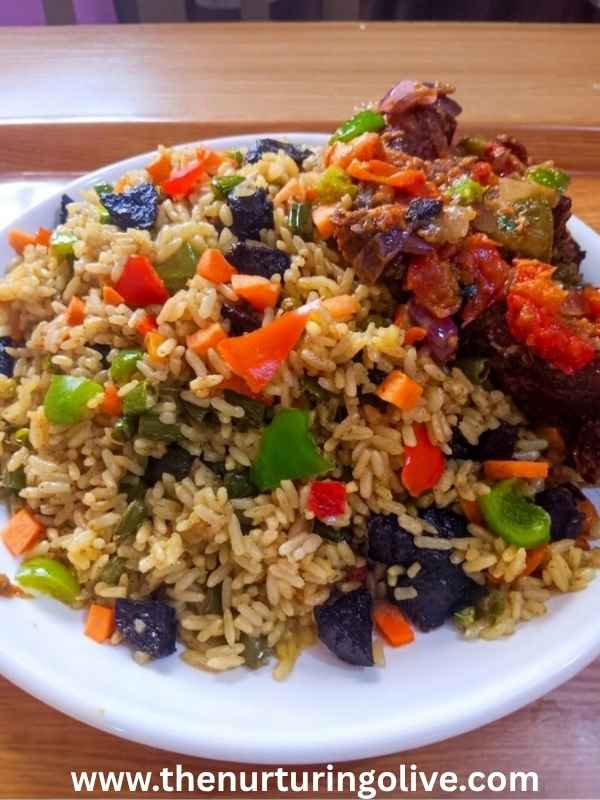
A Simple Guide on How to Make Nigerian Fried Rice at Home
Learning how to make Nigerian fried rice at home can feel like a big step for many people, especially because fried rice is often seen as a special dish prepared mostly for celebrations and important gatherings. Across Nigeria and many parts of West Africa, fried rice is not something families cook as frequently as everyday meals like plain rice and stew. It is a colorful and valued dish that people usually look forward to whenever it appears on the table.

Fried rice is simply cooked rice that is stir-fried in oil together with vegetables, seasoning, and sometimes meat or seafood. This frying process is what gives the rice its rich flavor, beautiful appearance, and slightly firm texture that makes it different from ordinary boiled rice. Over time, different parts of the world have developed their own versions of fried rice, but the Nigerian style stands out for its bright vegetables, pleasant aroma, and satisfying party-style taste that many people love.
Even though fried rice is widely loved across Nigeria, West Africa, and beyond, many people avoid cooking it at home because they believe it is difficult to prepare or that one small mistake can spoil the whole pot. The truth is that once you understand the simple method, making delicious fried rice becomes much easier than it looks.
If you have ever worried about your fried rice turning soggy, losing flavor quickly, or not lasting well after cooking, this guide will walk you step by step through a reliable method that works whether you are cooking a small quantity for your family or a larger portion for a special occasion.
Try our smoky, party-style Nigerian Homemade Jollof Rice.
Why Fried Rice Feels Like a Special Dish in Many Homes

Fried rice has always carried a special feeling in many African homes, especially in Nigeria. Unlike everyday meals, it is often prepared for celebrations, family visits, or moments when something extra is happening in the house. That is one reason people become excited whenever they hear fried rice is being cooked.
Many people also avoid preparing fried rice because of the work involved in chopping vegetables and the fear that the rice may not come out well. Some worry it may become soggy or spoil quickly if not cooked properly. These concerns are very common, especially for beginners.
I remember clearly the day I prepared this particular fried rice at home. While it was cooking, my children kept coming into the kitchen asking whether it was ready. Their excitement alone reminded me how loved this dish truly is. When the rice was finally done, they ate it happily and kept asking for more.
Two days later, when I warmed some of the rice I had stored in the freezer, my daughter walked into the kitchen and asked if it was the same fried rice I made earlier. When I told her yes, she smiled and said it still tasted so good and even called me a professional chef. That moment stayed with me because it showed how satisfying it feels when fried rice turns out well, especially when you cook a large quantity and it still keeps its flavor and texture.
So if you have been searching for how to make fried rice that comes out beautiful, flavorful, and does not spoil quickly, you are in the right place. This step-by-step guide will help you prepare delicious fried rice confidently at home whether you are cooking for everyday enjoyment or for a special occasion
Tools You Need to Make Nigerian Fried Rice at Home
Before starting how to make Nigerian fried rice, it helps to gather the basic kitchen tools you will need. The good news is that this recipe does not require any complicated equipment. Most of the tools are already available in everyday kitchens.
Here are the simple tools you will need:
1. Cooking Pot
A sizable cooking pot is needed for preparing the rice. The size of the pot should depend on the quantity of fried rice you want to cook. If you are preparing a large portion, choose a wider pot so the rice cooks evenly.
It is helpful to have two pots if possible. One can be used for steaming the meat or chicken, while the other is used for cooking the rice itself. However, if you only have one pot, you can still prepare the recipe successfully.
2. Frying Pan
A frying pan is useful for frying the vegetables and meat before mixing them into the rice. This step helps bring out the flavor and keeps the vegetables colorful.
If you do not have a frying pan, you can simply use a clean pot instead.
3. Blender
A blender is needed for blending ingredients such as onions or pepper if your recipe includes them. It helps improve the flavor base of the fried rice.
4. Cutting Board
A cutting board makes it easier and safer to cut vegetables like carrots, green beans, green peas, and spring onions neatly.
5. Kitchen Knife
A sharp kitchen knife is important for slicing and dicing vegetables evenly. Properly cut vegetables help the fried rice look attractive and cook well.
6. Cooking Spoon or Wooden Spatula
A strong cooking spoon or wooden spatula is needed for stirring the rice while cooking so it does not burn or stick to the pot.
7. Strainer or Sieve
A strainer helps when washing the rice before cooking. It can also be used when draining water after parboiling the rice if you choose that method.
8. Slotted Spoon
A slotted spoon is useful when removing vegetables or meat from hot oil during frying.
Ingredients For Nigerian Fried Rice

The ingredients required to cook this fried rice are:
- Rice, preferably long grain and well dried. If unavailable, short grain or any type can be used but ensure it is well dried.
- Protein, any meat of your choice such as chicken, beef, goat meat, or turkey. This recipe uses chicken.
- Carrots and green beans, cut according to your preference or affordability.
- Green peas.
- Red onions, two to three large ones.
- Garlic and ginger.
- Green and red bell peppers.
- Liver, which can be substituted with hot dog, though liver is preferable.
- Sweet corn (optional).
- Shrimps (optional).
- Salt to taste.
- Pepper, either red pepper or any type you prefer.
- Black pepper.
- Thyme and rosemary.
- Turmeric powder (also called curry powder).
- Seasoning powder to taste.
- Cooking oil.
Step-by-Step Instructions: How to Make Nigerian Fried Rice
Now that our ingredients and tools are ready, let’s begin cooking.
Step One: Preparing the Protein
Wash the protein you will be using, including the liver. You may cook the meat and liver together or separately depending on your preference. Liver cooks quickly and may overcook if boiled with meat, so it is best to add it near the end of cooking or boil it separately. In this recipe, I boiled it separately. Wash the meat thoroughly with salt, then transfer it to the pot for pre-cooking. Add a portion of chopped onions, a pinch of salt, seasoning, turmeric powder, and blended red bell peppers with garlic and ginger. Allow it to boil gently, letting the meat release its natural juices, then add a little water to create a rich stock.


Step Two: Preparing the Vegetables
While the meat is cooking, wash and cut your carrots and green beans into small pieces. Wash your red and green bell peppers, remove the seeds, and cut the flesh into small dices. These vegetables take longer to cut, so they should be prepared first. You may prepare vegetables the night before or buy pre-cut vegetables from the supermarket.
Step Three: Blending the Spices
Blend your remaining spices – thyme, rosemary, black pepper – to smooth. These spices, along with turmeric or curry powder, give the fried rice its rich look and flavor.
Step Four: Straining the Meat Stock
Once the meat is done, carefully remove it from the stock and set aside. Strain the meat stock to remove all charred pieces, onion residues, and other solids. This ensures your fried rice will have a clean and smooth appearance. Reserve the stock for cooking and frying the rice later.
Step Five: Frying the Meat and Liver
Put your frying pan on fire and fry the cooked meat until lightly browned. Cut the liver to your desired shape and fry for about two minutes. Do not over fry liver as it turns dark very quickly. Remove and set aside.

For a detailed guide on making perfectly fried and peppered meat, click here to read the full step-by-step guide.
Step Six: Prepare the Rice Using the Hot-Water Soaking Method (Secret Technique)
This step is very important and helps prevent soggy fried rice. It is one of the secrets behind the non-soggy fried rice you often see in five-star restaurants.
Instead of parboiling the rice, follow this simple method:
Wash the rice thoroughly with clean water until the water runs clear.
Boil water in a pot. Once the water begins to boil, turn off the heat and pour the washed rice into the hot water.
Cover the pot and allow the rice to sit inside the hot water for about 5 minutes.
After 5 minutes, drain the water completely using a sieve and set the rice aside.
This method helps the rice stay firm and separate during cooking and gives your fried rice a better texture.

Step Seven: Cooking the Rice

Place your cooking pot on fire and pour in the strained meat stock. Ensure to remain a little for frying of vegetables. Add a little water if necessary, just enough to cover the rice lightly. Test for salt and seasoning, then add the ground spices and turmeric powder. Bring the stock to a boil. Add the pre-boiled rice carefully and cover the pot. Let it cook briefly for 3 minutes, then reduce the heat and remove the cover. This will allow it to absorb the stock without burning. Ensure to be checking the water level and adjusting if necessary. When the water has almost dried and the rice is done (not too hard and not too soft), pour the rice into a strainer to remove excess moisture.
Step Eight: Frying the Vegetables and Rice
This is the final step that gives your fried rice its signature texture and color:
- Heat oil in a frying pan and fry the diced carrots and green beans first, as they take longer to cook.
- Add your peas, diced pre-fry liver, optionally sweet corn, shrimps, and diced onions. Stir continuously.
- Add small seasoning cubes, salt, and a little reserved meat stock and then add your diced bell peppers.
- Gradually add the pre-cooked rice, stirring to combine evenly with vegetables and stock.
- Adjust the seasoning and color with turmeric or curry powder if needed.
- Fry the rice until everything is well combined, the vegetables are tender, and the rice has a vibrant, rich look.


Tip: Repeat this method for any remaining rice if cooking in large quantity. Refer to your step-by-step images for guidance.
Serving Suggestions

Transfer your sumptuous fried rice to a serving bowl or plate immediately.
Serve hot with peppered meat (see my guide here) or a quick coleslaw (click here to see my 10-minute coleslaw recipe).
This fried rice is versatile and can also accompany fried chicken, fish, or turkey.
Storage Method
Allow fried rice to cool properly, then transfer to small containers and cover. Ensure your fridge or freezer is working properly. Fried rice can be stored for up to three days in the fridge or a week in the freezer. When ready to eat, thaw it in the fridge and reheat in a frying pan, stirring continuously until heated thoroughly. This ensures the texture and flavor are restored.
Frequently Asked Questions on How to Make Nigerian Fried Rice
Can I use short grain rice instead of long grain for fried rice?
Yes, but ensure it is well dried. Long grain is preferred for better texture.
Can fried rice be made without meat?
Yes, you can make a vegetarian version with vegetables only.
How do I prevent my fried rice from being soggy?
Pre-boil the rice using the method outlined, avoid adding too much water, and fry gradually with stock.
Can I make fried rice in advance?
Yes, you can store it in the fridge or freezer and reheat properly when needed.
Is it necessary to fry the vegetables separately?
Frying vegetables first ensures they retain their color, texture, and flavor before combining with rice.
Final Thoughts on How to Make Nigerian Fried Rice at Home

Cooking Nigerian fried rice at home doesn’t have to be complicated. With the right ingredients, careful preparation, and the steps shared above, you can create a sumptuous, flavorful, and perfectly textured fried rice that rivals any restaurant version. Remember, the secret lies in balancing your spices, pre-cooking your protein, and handling the rice carefully — all of which we’ve outlined in this guide on how to make Nigerian fried rice. Take your time, follow the method, and enjoy the process. Your effort will reward you with a vibrant, rich, and delicious meal every single time.
Call to Action
If you loved this guide, why stop here? Explore more of our easy-to-follow recipes and elevate your home cooking today! Learn:
- How to cook Nigerian smoky jollof rice for that perfect smoky flavor.
- How to make moi moi without the stress of peeling beans.
- How to fry a perfect akara (bean cake) at home.
- How to cook no-sour stew that pairs beautifully with your fried rice.
And don’t forget our rich, traditional soups: Oha soup, Bitter leaf soup, Afang soup, Edikang Ikong soup, Black soup, Ogbono soup, Ofe Akwu, classic Egusi soup, and more – all made simple and clear step-by-step guide for your home kitchen.
Click through and start cooking these amazing dishes today, and bring the taste of Nigeria straight to your table!
If you enjoy content like this, we would love to stay connected with you. Follow us on Facebook for our daily posts on parenting, faith, family life, and nutritious food ideas that help families live healthier and happier lives.
Facebook: The Nurturing Olive

