Cocoyam is one of those ingredients that quietly carries the soul of many African dishes, especially Nigerian soups. When you process cocoyam for soups the traditional way, you are not just adding a thickener alone, you are also laying the foundation for flavor, texture, and authenticity. It is an ingredient that cannot be omitted when your goal is real, home-style cooking that tastes the way it should.
These days, many people try to replace cocoyam with shortcuts or modern alternatives. Some turn to packaged thickeners, others experiment with substitutes. But no matter how much you try, none of them delivers the same result. Cocoyam has its own taste, its own texture, its own look. It thickens soup gently and naturally, giving it that smooth, comforting finish that only traditional cooking can provide. If you truly want to serve an authentic dish whether for your family or for guests, cocoyam is not something you skip.
This is something people understand deeply, especially when buying food. There are soups like Oha soup and Bitter leaf soup that many people will not touch unless they know cocoyam was used. I know this because I am one of them. One of the first questions people ask is simple: “Was this soup prepared with cocoyam?” Once the answer is yes, there are no further questions. People are willing to pay because they recognize quality. That alone shows how valued cocoyam is as a soup thickener. It is not something you replace and still expect the same taste or satisfaction.
Click here to learn step by step method of how to cook Nigerian traditional Oha soup

Yes, cocoyam powder exists in the market, and for people who lack time, it may seem convenient. But it can never be compared to what you prepare yourself at home. When you process cocoyam for soups on your own, you know exactly what goes into your food. There are no preservatives, no hidden additives, just cocoyam, handled with care. That assurance matters, especially when you are feeding your family.
This is why I always encourage people, if time permits, to prepare cocoyam themselves. You can process it in large quantities, store it properly, and have it ready whenever a traditional soup is on your menu. It saves time in the long run and keeps your cooking honest and nourishing.
So if you truly want to cook Nigerian soups the traditional way and understand how to process cocoyam for soups properly from preparation to storage – come with me. I will calmly walk you through each step, just the way it has been done in our kitchens for generations.
Related Reading: Healthy noodles without seasoning sachet
Why It Is Important to Process Cocoyam Yourself

Processing cocoyam for your soups, especially by yourself, is very important. In fact, it is something I always advise because:
You Know Exactly What You Are Feeding Your Family
When you process cocoyam by yourself, you are fully aware of what goes into your food. You personally select the cocoyam, wash it properly, cook it, and process it with care. There is no guessing and no uncertainty. This gives peace of mind, especially when you are cooking for your family and want to be sure that what they are eating is clean, healthy, and free from unnecessary additives.
Cocoyam Is the Heart of Many Traditional Soups
Cocoyam is not just a thickener; it is an essential part of many African soups. Bitter leaf soup, known as Onugbu soup in Igbo land, cannot truly be called complete without cocoyam. The same applies to Oha soup – it loses its authentic taste and texture when cocoyam is omitted.
Processing It Yourself Gives You Full Quality Control
When you process cocoyam at home, you control the quality from start to finish. You ensure it is handled hygienically and prepared properly. This level of care is not always guaranteed with store-bought cocoyam powder, where you may not know how it was processed or what was added to preserve it. Home processing allows you to keep your food as natural and pure as possible.
Cocoyam Adds Natural Nutrients to Your Meals
Cocoyam is a natural ingredient that contributes valuable nutrients to soups. By using it, you are not only improving the texture of your dishes but also enhancing their nutritional value. It supports wholesome eating and helps create meals that are both satisfying and nourishing for the body.
Related Reading: Shrimp and vegetable kebabs with whole-grain couscous
It Preserves Traditional Cooking Methods
Cooking with cocoyam is a way of staying connected to our cultural heritage. Many Nigerian dishes were designed to be cooked with cocoyam, not substitutes. When you process and use cocoyam yourself, you are preserving the authenticity of these dishes and honoring traditional cooking methods that have been passed down through generations.
Cocoyam Has a Texture and Taste That Cannot Be Replaced
No matter how many alternatives people try, cocoyam remains unmatched. It has a unique texture, taste, and appearance that other thickeners cannot replicate. Cocoyam gives soups a smooth, rich body and a depth of flavor that is immediately noticeable, especially to those who value traditional cooking.
It Encourages Healthier Long-Term Cooking Habits
When you process cocoyam in larger quantities and store it properly, you make healthy cooking easier in the long run. Instead of reaching for processed powders, you can simply take from what you have already prepared. This supports consistent, mindful cooking and ensures your family continues to enjoy traditional meals made the right way.
Related Reading: Sheet-pan chicken thighs with Brussels sprouts and butternut squash
Tools Needed to Process Cocoyam for Your Dishes
A Pot for Boiling the Cocoyam
The most important tool you need is a good pot. This is what you will use to boil the cocoyam until it becomes soft enough for processing. The size of the pot depends on the quantity you are preparing. If you are cooking for your family or preparing in bulk for future use, a large pot works best.
A Knife (Optional)
A knife is optional, not compulsory. Some people prefer to peel their cocoyam before boiling, and if that is your choice, a knife will be needed. However, there is a faster and easier traditional method where you boil the cocoyam with the skin on and simply rub the skin off with your hands after cooking. This method saves time and effort, and you will see it clearly during the preparation process and the attached images.
A Mortar and Pestle (Optional)
Traditionally, cocoyam is pounded using a mortar and pestle. This method gives a very authentic texture and is still loved by many. If you enjoy preparing food the old-fashioned way and have the strength and time, this option works beautifully.
A Blender or Food Processor
For a quicker and more convenient method, a blender or food processor can be used to process the cooked cocoyam. This is especially helpful when preparing a larger quantity. It blends the cocoyam smoothly and evenly, making it ready for use as a soup thickener.
Sieve
This is where you will pour the cocoyam after boiling to drain the water before peeling and pounding / blending
Related Reading: Turkey-burger lettuce wraps with grilled zucchini and carrot slaw
Ingredients Needed for Processing Cocoyam

Cocoyam
The only ingredient needed for this process is cocoyam itself. It doesn’t need salt, seasoning nor additives. Just fresh cocoyam, properly cooked and processed. This simplicity is what makes it pure, healthy, and perfect for traditional Nigerian dishes.
Step-by-Step Process for Preparing Cocoyam for Your Dishes


Processing cocoyam for your soups, especially Nigerian dishes, is simpler than it seems. With care and attention, you can achieve a smooth, natural thickener that brings traditional flavors to your table. Here’s a step-by-step guide.
Sourcing Your Cocoyam
Cocoyam is widely available in Nigerian markets, no matter the region, whether north, south, east, or west. Look for it where local food items are sold, especially in areas with Igbo communities. If you are outside Nigeria, most African stores carry coco yam.
When I was in the north, I expected difficulty in finding it, but I was pleasantly surprised to see it in large quantities. With a little effort, you can locate it wherever you are.
Sorting and Cleaning
Once you have your cocoyam, carefully sort through it. Remove any pieces that look damaged, rotten, or unclean. Wash the remaining cocoyam thoroughly to remove dirt and impurities. Clean, healthy cocoyam is the foundation of a good soup.
Tip: If your dish will include palm fruit sauce, you can boil the cocoyam with palm fruit. Otherwise, plain boiling is perfectly fine.
Click here to learn step by step method of how to extract palm fruit sauce / juice for your traditional dishes
Boiling the Cocoyam
Place the washed cocoyam in a large pot of water and boil until tender. You’ll know it’s ready when:
- The skin can peel off easily with your hand.
- The flesh feels soft but firm when pressed.
If you prefer, you can peel the skin before boiling, just like you would with white yam. This method works well for some, but either approach will give you excellent results.
Peeling After Boiling
If you boiled the cocoyam with the skin on, wait until it’s cool enough to handle. Then:
- Rub gently with your hands to remove the skin, or
- Use your fingers to peel off any stubborn bits.
Discard the skin and keep only the soft, cooked cocoyam for processing.
Click here to learn step by step method of how to cook Healthy Nigerian Black Soup
Pounding or Blending
Now that the cocoyam is peeled, it’s time to turn it into a smooth paste. You have two options:
- Mortar and Pestle: Transfer the boiled cocoyam into a mortar and pound gently. Move your pestle in a rubbing motion, not too fast, not too slow, until the cocoyam is smooth and lump-free.
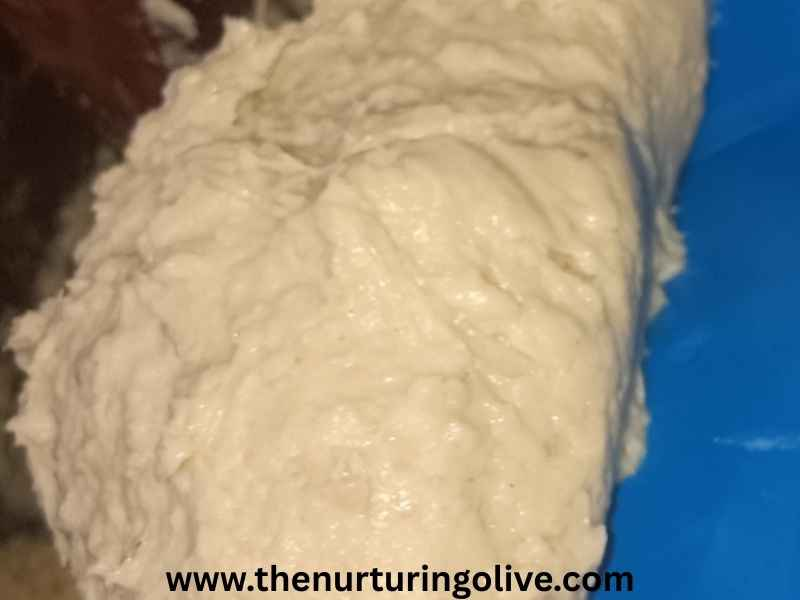
- Blender or Food Processor: Transfer the cocoyam to a blender or food processor. Blend until smooth, with no lumps remaining, and you notice a slight yellowish color. This indicates it’s ready. You can see the attached images.
Both methods work well; choose what is convenient for your kitchen.
Related Reading: Mediterranean quinoa salad

How to Store Processed Cocoyam
One of the best things about learning how to process cocoyam for soups is that you can prepare it in advance. Once your cocoyam is processed
- For immediate use: Add it directly to your soup, such as bitter leaf soup (ofe onugbo), Oha soup (ofe oha) etc, as a natural thickener.
Click here to learn step by step method of how to cook Nigerian traditional Oha soup
- For storage: Transfer the blended coco yam to an airtight container, seal it tightly, and freeze. It can stay fresh for up to two months. Whenever you want to cook a soup that requires cocoyam, simply bring out a portion and add it to your cooking. It saves time and makes traditional cooking easier, even on busy days.
Using homemade cocoyam ensures your soups have the authentic texture, flavor, and richness that powdered substitutes cannot replicate. Your family will taste the difference.
Related Reading: Healthy Nigerian Black Soup
Frequently Asked Questions About How to Process Cocoyam for Soups
Can I use cocoyam powder instead of processing it myself?
Yes, you can, but homemade cocoyam gives a better texture, flavor, and nutritional value. Powdered cocoyam may contain additives or preservatives that change the taste and purity.
How long does processed cocoyam last in the refrigerator?
It can last 2-3 days in the fridge when stored in an airtight container. Always check for signs of spoilage before using.
Can I freeze processed cocoyam?
Absolutely. Place it in an airtight container or freezer bag, and it can last up to two months. Thaw it gently before adding to soups.
Do I have to boil cocoyam before processing?
Yes, boiling is necessary to soften the yam and make it easy to pound or blend. This step ensures a smooth, lump-free paste that thickens soups perfectly.
Related Reading: Palm oil jollof rice and beans
Can I use a blender instead of a mortar and pestle?
Yes, a blender or food processor works just as well. Blend until smooth, with no lumps. Both methods give excellent results. Just choose whichever suits your kitchen setup.
Can I add other ingredients while processing cocoyam?
For traditional soups, it’s best to keep it pure. Adding other ingredients may affect texture and taste. You can, however, pair it with palm fruit during boiling if your recipe calls for it.
Which soups benefit most from processed cocoyam?
Cocoyam is perfect for soups that require natural thickening: Bitter leaf soup (Onubo), Oha soup (Ofe oha), etc. It enhances the texture, taste, and authenticity of these traditional dishes.
Click here to learn step by step method of how to cook Nigerian traditional Oha soup
Final Thoughts on How to Process Cocoyam for Soups
Processing cocoyam at home is one of those small kitchen practices that carries deep meaning. It is not just about thickening soup; it is about intention, tradition, and care. When you take the time to process cocoyam for soups yourself, you are choosing authenticity over shortcuts and nourishment over convenience.
There is a quiet confidence that comes from knowing exactly what goes into your food. You feel it when the soup thickens just right, when the texture is smooth, and when the taste settles into something familiar and comforting. That is the difference cocoyam makes, and that is why it has remained an essential part of traditional cooking for generations.
More than anything, this process reminds us that good food does not have to be rushed or complicated. It only needs patience, simple tools, and respect for the ingredients. Once you learn how to process cocoyam for soups the traditional way, you carry that knowledge with you and ready to use it whenever you want to serve a meal that feels real, wholesome, and deeply satisfying.
Related Reading: Slow-Cooker Lean Beef Chili with Beans and Sweet Potatoes
Before you go…
Now that you’ve learned how to process cocoyam for soups the traditional Nigerian way, I hope you feel encouraged to bring this wholesome ingredient into your own kitchen. Whether it becomes the base for Oha soup, Onugbo soup, or Egusi soup, let it remind you that cooking real, nourishing meals for your family doesn’t have to be complicated, it just takes intention, care, and love.
If you enjoyed this guide, there is so much more waiting for you here on The Nurturing Olive. Take a moment to explore some of our other food blog posts, including:
- How to Cook Traditional Nigerian Ọha Soup (Authentic Step-by-Step Recipe)
- Turkey Burger Lettuce Wraps with Grilled Zucchini & Carrot Slaw
- Sheet-pan chicken thighs with Brussels sprouts and butternut squash
- Healthy Mediterranean Quinoa Salad with Chickpeas & Feta
- Palm Oil Jollof Rice and Beans
- One-Pot Chicken Sausage Spinach Pasta
And because food and family are deeply connected, you may also enjoy some of our family-centered, faith-rooted posts, such as:
- Godly Parenting Tips for Everyday Life
- Marriage Lessons for Peaceful Homes
- How to Balance Faith and Education at Home
- How to Raise Kids Who Love Jesus
Please take your time, explore, and enjoy. There’s always something special waiting for you here and don’t forget to subscribe so you won’t miss new recipes, family posts, and kitchen inspiration sent with love.
Thank you so much for stopping by today. I appreciate you always.
Also, don’t miss our Godly films on YouTube. They are stories that bring faith to life in powerful, relatable ways. They’ll encourage you, inspire you, and help you see God’s hand in everyday moments.
Watch here: Christ Love Crusaders Ministries YouTube Channel

