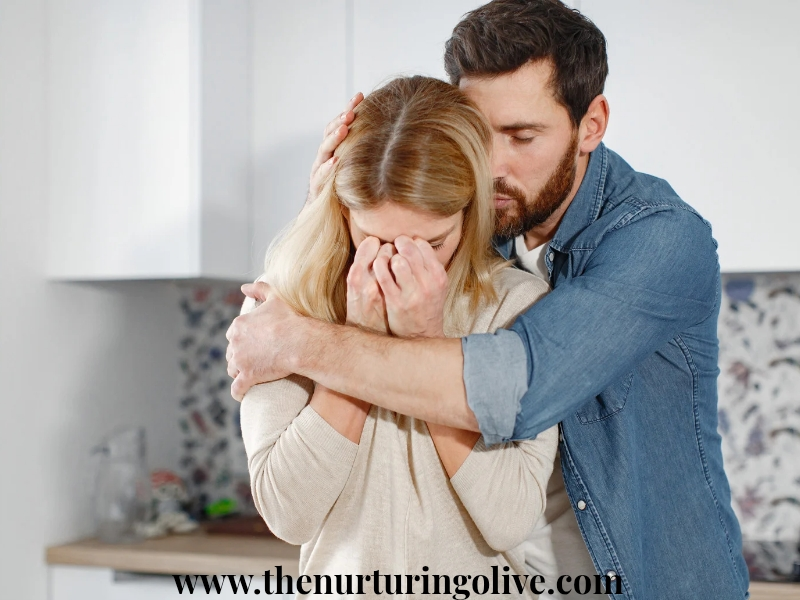
It happened on a quiet evening. One of those days when everything seemed fine until a small misunderstanding cracked the calm. My husband and I had just returned from work, both exhausted but fulfilled after a long hectic day. The plan was simple: dinner, laughter, and rest. But somehow, between a misplaced comment and a tired sigh, we slipped into an argument neither of us saw coming.
We weren’t shouting, but the tension in the room was thick. Words came out sharper than intended. Silence followed; heavy and uncomfortable. I remember sitting there, heart pounding, thinking, How did we get here again?
Disagreements are inevitable, even in the most faith-filled marriages. Two imperfect people, both passionate and sincere, will clash sometimes. But as I’ve learned through tears, prayers, and grace, handling disagreements without destroying the marriage requires more than love. It requires wisdom, humility, and the courage to listen when pride wants to speak.
That night, as I sat in that quiet room, I realized something profound: the goal is not to win the argument; it’s to win back peace.
The Moment Grace Steps In

After the silence stretched long, I whispered a prayer under my breath: “Lord, teach me to respond, not react.”
Something shifted in my heart. I could suddenly see my husband not as my opponent, but as the man who had stood beside me through storms, laughter, and long seasons of waiting.
I walked over, placed my hand on his arm, and said softly, “I don’t want us to keep hurting each other.” He looked up, his eyes weary but kind. That was our turning point. Not because the disagreement vanished, but because grace stepped in before pride built a wall.
Handling disagreements without destroying the marriage often begins right there, in the small choice to reach out instead of retreating, to love even when you don’t fully understand.
Grace creates space for understanding. It reminds us that we’re not fighting each other but fighting for each other.
Conflict Styles (Withdrawal vs. Confrontation)

Every couple has their way of responding when tensions rise. For some, silence feels like safety. They withdraw, hoping time will heal what words might worsen. For others, confrontation feels like courage. They speak up immediately, eager to fix things before resentment festers.
Neither style is inherently wrong, but unbalanced, both can hurt. Withdrawal can breed emotional distance, while constant confrontation can exhaust love’s patience. The key is recognizing our tendencies and meeting each other halfway.
Instead of asking, “Who’s right?” we learn to ask, “What helps us reconnect?” Sometimes that means pausing to breathe and pray before responding; other times, it means having the courage to stay in the conversation when it’s easier to retreat. Harmony begins when both hearts decide that peace is more important than pride.
When We Speak Too Soon
One of the hardest lessons I’ve learned in marriage is that timing matters as much as truth. There were times I was right but my timing was wrong, and my tone was worse.
A soft truth spoken at the wrong time can sound like an attack.
I’ve seen how a single sentence can shut a heart faster than any locked door. And I’ve learned that some issues are better addressed when both hearts are rested, not when fatigue has taken over.
Sometimes, handling disagreements without destroying the marriage simply means waiting for the right moment to talk. It means realizing that a tired spouse may not need your correction. At that moment, all they need is just your quiet presence.
We often think resolution comes from long talks, but sometimes, peace comes from knowing when to pause.
Listening Beyond the Words

Every argument carries a deeper message. Behind every raised voice is usually a wounded heart saying, “Please hear me.”
It took me years to understand that my husband wasn’t always disagreeing with my opinion. Sometimes he was reacting to my tone, or feeling unheard.
We often listen to reply, not to understand. Yet healing starts when listening becomes an act of love.
I began to ask questions like, “Help me understand what you’re really feeling.” That small shift changed everything.
Handling disagreements without destroying the marriage looks like slowing down enough to listen beneath the noise. To the emotion behind the expression. Because most conflicts aren’t about who’s right; they’re about who feels unseen.
The Holy Pause
There are times you’ll feel the urge to respond immediately; to prove your point, to clarify, to justify. But wisdom often whispers, “Wait.”
In that pause, the Holy Spirit can speak peace into places anger can’t.
I’ve learned to walk away and breathe. Sometimes I whisper scripture like “A gentle answer turns away wrath.” Sometimes I journal until my heart softens. Other times I sing or just sit quietly and let God untangle my emotions.
By the time I return, the words I speak carry more healing than heat.
Handling disagreements without destroying the marriage doesn’t mean avoiding hard conversations; it means letting peace prepare the way for them.
Understanding What Triggers the Conflict
It took me a long time to realize that not every disagreement starts in the moment it appears. Sometimes it’s triggered by something deeper like exhaustion, insecurity, or even old wounds.
Recognizing what’s really fueling the argument changes everything. When we name the real problem, the conversation becomes less about winning and more about healing.
Many couples get trapped in a cycle of repeating the same argument because they keep treating symptoms, not causes. When we invite God to reveal the roots beneath our reactions, grace can reach where logic cannot.
Handling disagreements without destroying the marriage means asking, “What am I really upset about?” or “What pain is showing up here?” Those questions invite compassion back into the room.
Understanding Triggers and Unmet Needs
Every heated argument often hides a softer story underneath. Like a need to be heard, valued, or understood. Recognizing our triggers helps us trace conflicts to their roots instead of their branches.
Perhaps a spouse withdraws not out of coldness, but from past experiences of rejection. Or maybe one partner’s anger isn’t about the issue at hand but about feeling invisible. When we pause long enough to ask, “What’s really happening beneath this?” we begin to replace blame with understanding.
In marriage, emotional awareness is a ministry in itself – seeing beyond behavior into the heart that beats beneath it. When we make space for each other’s wounds, healing begins to rewrite the story of our conflicts.
The Role of Humor, Empathy, and Affection After Disagreements

Healing doesn’t always come through heavy conversations. Sometimes it arrives through laughter, a gentle touch, or a shared smile after tears. Humor can diffuse tension when used kindly, reminding both partners that joy still lives here. Empathy rebuilds emotional bridges, while affection reassures the heart that love is still safe.
A simple gesture like holding hands after a fight, cooking breakfast together the next morning, or sharing a joke can turn a page in your story. It says, “We may have stumbled, but we’re still walking together.” These small acts speak volumes, often more than words ever could.
Choosing Unity Over Being Right
Early in our marriage, I believed that if I explained my point clearly enough, he would eventually “see things my way.” I thought unity meant agreement. But unity is deeper. Unity means choosing love even when opinions differ.
Some disagreements won’t have perfect solutions. One person loves quiet weekends; the other thrives on activity. One wants to give generously; the other worries about savings. When both hearts choose to honor rather than argue, differences stop dividing and start defining the beauty of partnership.
Handling disagreements without destroying the marriage means letting love set the tone – not logic, not control, just love anchored in respect.
Healing After the Storm
Every couple has moments they wish they could undo like words spoken in haste, promises forgotten, nights that ended in silence. But healing is possible.
There’s something holy about looking at your spouse after a painful argument and still choosing to stay, to forgive, to rebuild. Each time you do, you’re teaching your hearts how to love better.
Handling disagreements without destroying the marriage doesn’t end with “I’m sorry.” It continues with “Let’s learn from this.”
It’s choosing to see every conflict as an opportunity to grow closer, not further apart.
And sometimes, that growth includes laughter; a shared joke after tension, a smile that says, We’re okay again. Even humor can be healing when grace leads.
Forgiveness and Emotional Repair
Forgiveness is not pretending nothing happened. It simply means choosing to release what could poison love’s roots. Emotional repair starts the moment we stop keeping score and start remembering grace. In every healthy marriage, forgiveness is a daily rhythm, not a one-time act.
We may still feel the sting of hurt words, but forgiveness opens the door for healing to begin. Saying, “I forgive you,” is not weakness; it’s strength rooted in Christ’s mercy toward us. It’s letting go of the right to retaliate and choosing the right to restore.
True repair often includes empathy: “I can see how that made you feel,” or “I didn’t realize my words hurt you that way.” When we lead with compassion, even after the deepest misunderstandings, love has room to breathe again.
Praying Together After Disagreement

One of the most powerful things we ever did was pray after a conflict. Not polished prayers, but honest ones. The kind that sound like, “Lord, help us understand each other again.”
Prayer softens pride. It realigns hearts. When you invite God into your disagreements, they become less about two people trying to prove points and more about two souls learning to love like Christ.
Handling disagreements without destroying the marriage often ends where it began – at the feet of Jesus, asking for peace no words can give.
Inviting God’s Word as a Guidepost
When tempers flare, it’s easy to lean on feelings instead of truth. But God’s Word provides steady ground when emotions shake the walls. Verses like “A gentle answer turns away wrath” (Proverbs 15:1) or “Be kind and compassionate to one another, forgiving each other, just as in Christ God forgave you” (Ephesians 4:32) remind us that Scripture is not just for devotion alone but also for daily living.
Reading or recalling God’s Word in moments of tension shifts the atmosphere. It helps us respond with love rather than react with anger. Couples who anchor their communication in Scripture find that even when storms come, their hearts remain tethered to peace.
Building Trust Again
Trust is fragile but not irreparable. Each time we choose truth over defensiveness, gentleness over sarcasm, and presence over distance, we rebuild what was once broken. Trust doesn’t return in grand gestures. It grows in quiet consistency.
For Christian couples, rebuilding trust means inviting God into the process daily: “Lord, teach us to trust again in You, and in each other.” Over time, grace becomes the cement that holds the cracked places together, stronger than before.
Because when love endures the fire and still chooses to stay, that’s when it begins to look most like Christ’s love – faithful, forgiving, and forever patient.
Grace That Holds It All Together
When I look back at the countless disagreements we’ve had, I no longer see them as failures but as milestones. They are now reminders of how far grace has carried us.
Each conflict taught us something new about love, patience, and humility.
The truth is, even in Christian marriage, conflict is part of the journey. But destruction isn’t. Grace can always rewrite the ending.
Handling disagreements without destroying the marriage is possible when we remember that love is not about always agreeing; it’s about always returning.
Because marriage, at its core, is not built on the absence of conflict. It is built on the presence of commitment.
The kind that says, “We may stumble, but we’ll do it holding hands.”
Frequently Asked Questions (FAQs)

1. Are unresolvable conflicts normal in Christian marriages?
Yes, they are. Even strong, God-centered couples face issues they may never fully agree on. Issues from parenting methods to family traditions. What matters is not that differences exist, but how they’re handled. God uses these moments to refine our patience, deepen understanding, and teach us grace.
2. How can couples know when to pause a conflict?
When words start wounding more than healing, it’s time to pause. Take a moment to breathe, pray silently, and remember that the goal is not to win. The goal is to restore peace. A calm break isn’t avoidance; it’s wisdom in practice.
3. What if one spouse is always the first to apologize?
Being the first to apologize doesn’t mean you’re always wrong. It simply means you value the relationship more than your ego. However, both partners should learn humility. Over time, healthy marriages grow when both hearts are willing to bend in love.
4. Can prayer really mend deep emotional wounds?
Absolutely. Prayer invites divine healing into human hurt. It doesn’t erase memory, but it brings a peace that surpasses understanding. Through prayer, we shift from trying to fix each other to inviting God to fix us together.
5. What if one partner refuses to communicate or pray?
Then your role becomes intercessory. Pray for them, not against them. Love them through patience, model humility, and ask God for wisdom to know when to speak and when to stay silent. Change often begins in the unseen places of prayer.
6. How do we rebuild emotional intimacy after repeated conflicts?
Start small like a walk together, a note of appreciation, a hug that says “we’re still us.” Emotional intimacy grows when both partners feel seen and safe again. Healing doesn’t rush; it restores layer by layer with grace and time.
7. How do I know if our conflict needs counseling?
If your discussions regularly spiral into disrespect, emotional withdrawal, or hopelessness, it’s wise to seek godly counsel. A Christian therapist or marriage mentor can help bring structure, understanding, and spiritual perspective to your journey.
A Heartfelt Prayer
Heavenly Father,
Thank You for the sacred gift of marriage. Thank you for the space where Your love is meant to be seen, felt, and lived daily. Lord, we admit that at times, we fall short. We let frustration speak louder than patience, we react instead of respond, and we forget that love is a choice we must keep making.
Today, I lift every reader before You. For the one standing in silence after a disagreement, for the one weary of trying to make things right. Breathe peace into their hearts.
Teach them to listen with humility, to forgive with tenderness, and to speak words that build rather than break. Please, where there is distance, draw them close again. Where there is hurt, pour in Your healing balm. Where pride has taken root, let grace gently uproot it.
Remind them, Lord, that marriage is not a race toward perfection but a journey of partnership. A journey of two imperfect hearts learning to love well under Your steady hand.
May every conflict become a classroom for compassion, every disagreement a doorway to understanding, and every reconciliation a testimony of Your faithfulness in Jesus name, we pray, Amen.
Final Thoughts

Every marriage holds moments that test love’s depth. Moments when words fail, and the gap between hearts feels wider than before. But in those silent, aching spaces, God is still working. He is softening hearts, teaching humility, and weaving lessons that can only grow through conflict.
Marriage is not about perfect agreement; it’s about consistent grace. When we learn to handle conflict with prayer instead of pride, forgiveness instead of fury, and empathy instead of ego, we transform disagreements into doorways for deeper intimacy.
Unresolvable conflicts remind us that love isn’t built on sameness, but on surrender. Surrender to patience. To forgiveness. To the Holy Spirit who knows how to heal what our words cannot.
And in time, we discover that peace doesn’t come from fixing everything, instead, it comes from resting in the One who holds both hearts in His hands.
Let’s Hear From You
Have you ever faced a conflict in your marriage that seemed impossible to resolve?
How did you find peace or understanding in the middle of it?
Share your story or reflections in the comments below. Your words could encourage someone else walking through a similar season. Don’t forget to react, share this post with someone who needs it today, and let’s keep building homes rooted in grace.
If this article blessed you, you might also love reading these inspiring pieces:
- Balancing Ministry, Career, and Marriage Successfully
-
How to Raise Godly Children and Still Keep Your Marriage Strong
- How to Manage Finances as a Couple: Building Unity
- Godly Communication Habits Every Couple Must Cultivate
Each article is written to nurture your faith, strengthen your family, and remind you that God still builds beautiful homes when we let Him lead.
Also, don’t miss our Godly films on YouTube. They are stories that bring faith to life in powerful, relatable ways. They’ll encourage you, inspire you, and help you see God’s hand in everyday moments.
Watch here: Christ Love Crusaders Ministries YouTube Channel

