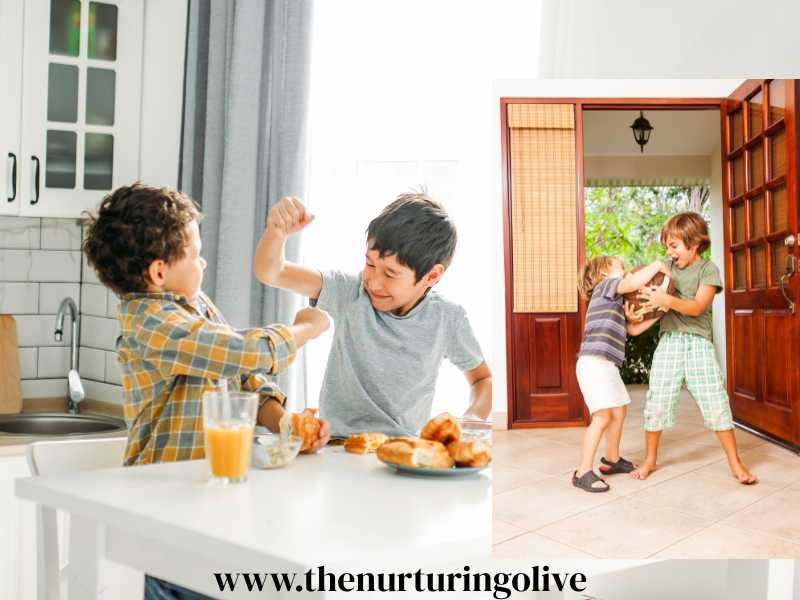

Parenting is a beautiful but sometimes messy journey. If you have more than one child, then you know how quickly laughter can turn into arguments over toys, space, or even cookies. This is where how to prevent and manage sibling rivalry in the home becomes so important. Rivalry is common and often natural, but as parents, we can turn these everyday conflicts into opportunities for growth, love, and stronger family bonds.
Sibling rivalry is as old as time itself. From the stories of Cain and Abel to the small quarrels we hear echoing in our living rooms, it has always existed. The good news is, rivalry doesn’t mean you’ve failed as a parent. It simply means your children are learning how to share life together. The real task is helping them navigate differences without bitterness or lasting wounds.
The Shirt Fight

As a parent with more than one child, you probably already know that sibling rivalry is very common. Children fight for the silliest reasons. They fight things that don’t even make sense. As a parent, you just stand there wondering, “Is this really worth fighting over? Is this thing worth dragging?” One moment they’re laughing together, and the next, they’re at each other’s throats.
One day stands out so clearly in my memory. I had decided, out of the goodness of my heart, to do something special for my kids. Nobody asked me, nobody begged me; I just wanted to surprise them, the way parents often do from time to time. I was expecting smiles, laughter, maybe even a little dancing. I was expecting joy. But instead, what happened that day is something I still shake my head at.
I had gone to the market and bought them clothes. And I made sure everything was fair: if one child got ten pieces, the others got the same number. I wanted to avoid any reason for fights or complaints, you know how kids can be.
When I came home, I called them together and showed them the clothes. Their joy was priceless. Their smiles lit up my heart, and for a moment, I felt so fulfilled. After that, I handed each of them their share and told them to go and put the clothes away in their bags.
The Surprise
But not long after, I began to hear shouting and crying from their room. Shocked, I rushed in, only to meet a scene I couldn’t believe. Two of my children were wrestling over clothes!
What was the problem? My second child said she preferred the design on her elder sister’s shirt. Now mind you, I had bought them all the same color – yellow – but the front designs were slightly different. They were nearly identical, but in her eyes, her sister’s design was better. She wanted that exact shirt and wouldn’t settle for hers.
Before I knew it, the fight had escalated. The younger one was in tears, and the older one had clutched her shirt tightly to her chest like a trophy, refusing to let go. I was exhausted and heartbroken. To be honest, I couldn’t believe that my little surprise, something meant to bring joy, had turned into a quarrel.
I really learned something important that day. Sibling rivalry is not just about gifts, or who gets what. Sometimes, it may be about fairness. About belonging. And about attention.
Moments like these remind us parents that learning how to prevent and manage sibling rivalry in the home isn’t really about stopping every single fight. Conflicts will surely come. But our role is to guide our children through them with love, with fairness, and with respect.
Why Does Sibling Rivalry Happen?

To really understand how to prevent and manage sibling rivalry in the home, we must look deeper than the surface. Children rarely fight only because of toys or food. Rivalry is often fueled by:
- Competing for attention and affection
- Differences in personality and temperament
- Feelings of unfairness in chores or privileges
- Developmental stages (younger children envy, older children feel burdened)
- Stress or changes in the family, like moving or welcoming a new baby
When we recognize these roots, we can respond with wisdom instead of frustration.
How to Prevent and Manage Sibling Rivalry in the Home: Practical Steps

1. Give Equal Love, but Personal Attention
Each child should feel loved uniquely. Avoid comparisons like, “Why can’t you be more like your brother?” Instead, carve out special one-on-one moments that speak directly to each child’s personality.
2. Set Clear Boundaries of Respect
Children need clear house rules: no hitting, no name-calling, no taking things without asking. Boundaries give them a safe structure that discourages rivalry from getting out of hand.
3. Encourage Teamwork Over Competition
Whenever kids cooperate, praise the behavior: “I love how you worked together to clean the room!” This creates a family culture of teamwork instead of rivalry.
4. Stay Neutral in Conflicts
Avoid declaring one child “right” and the other “wrong” in every disagreement. Instead, listen to both sides and help them find a fair solution together.
5. Respect Their Differences
One child may be athletic, the other artistic. Celebrate their uniqueness. Respecting differences reduces competition and helps them value each other.
Daily Routines That Reduce Rivalry
One of the easiest ways to practice how to prevent and manage sibling rivalry in the home is to build peaceful routines:
- Mealtimes: Rotate who serves food or who chooses the first piece.
- Chores: Share and rotate responsibilities fairly.
- Family meetings: Allow kids to express feelings and suggest fair solutions.
- Bedtime: Spend personal time with each child to strengthen emotional bonds.
When Rivalry Becomes a Concern

Sometimes rivalry escalates beyond normal sibling bickering. Warning signs include:
- Frequent physical fights
- Intense jealousy or resentment
- Withdrawal or sadness in one child
- Persistent feelings of being unloved
In such cases, don’t hesitate to seek help from a counselor or family therapist. This shows love and commitment to your children’s well-being.
FAQs on How to Prevent and Manage Sibling Rivalry in the Home

1. What causes sibling rivalry in the home?
Sibling rivalry often arises from competition for parental attention, differences in personalities, feelings of jealousy, or unresolved conflicts. Sometimes even simple things like sharing toys, space, or parental time can ignite it.
2. At what age does sibling rivalry usually begin?
It can begin as early as toddlerhood when a younger sibling arrives, and the older child feels displaced. However, rivalry can also intensify in later years—especially during adolescence when children are more sensitive about fairness and identity.
3. How can parents prevent sibling rivalry in the home?
Parents can reduce rivalry by avoiding favoritism, encouraging teamwork, setting clear boundaries, and spending individual quality time with each child. Building a home where every child feels loved and valued is the best prevention.
4. Is sibling rivalry normal, or should parents be worried?
Sibling rivalry is normal and almost unavoidable, but when left unmanaged, it can grow into resentment, lasting conflicts, or emotional wounds. Parents should address it early with patience and guidance.
5. How do I manage fights between siblings without making things worse?
Step in calmly. Avoid taking sides, listen to each child’s perspective, and help them find solutions. The goal is not to assign blame but to teach problem-solving, empathy, and fairness.
6. What role does family culture play in preventing sibling rivalry?
A family culture of love, teamwork, and communication reduces rivalry significantly. Families that eat, pray, and bond together usually handle rivalry better because unity is already part of the home’s foundation.
7. How can I reassure a child who feels I love their sibling more?
Spend one-on-one time with that child, affirm their uniqueness, and remind them that your love is not divided but multiplied. Children thrive when they know they are seen and valued.
8. Will siblings outgrow rivalry as they get older?
Many do, but not all. Some rivalries can linger into adulthood if not addressed. Healthy communication, parental guidance, and strong family values can transform rivalry into lifelong friendship and support.
Building Peace and Love in the Home

Every parent dreams of a peaceful and loving home, but the truth is, peace doesn’t just happen by chance. Peace is built, one small act at a time. When it comes to sibling rivalry, it’s easy to feel frustrated and even worn out, especially when arguments break out over things that seem so minor. But here’s the thing: behind every fight, there’s usually a deeper need. It could be a cry for attention, a need to feel valued, or simply the desire to belong.
Building peace and love in the home starts with creating an atmosphere where every child feels heard, respected, and cherished. This means setting aside time to listen to each child individually, showing them that their thoughts and feelings matter. It also means teaching them, gently but firmly, that love doesn’t diminish when shared – it multiplies.
Peace grows in the everyday choices we make as parents. It grows when we choose calm words instead of angry ones, modeling forgiveness when mistakes happen, and teaching our children that it’s okay to disagree without being unkind. Love thrives when we celebrate each child’s uniqueness and remind them that they never have to compete for our affection, because it’s already theirs in full.
When children grow up in a home like this, they learn that family is a team, not a competition. They carry that sense of unity with them, knowing their home is a safe place filled with warmth, respect, and unconditional love.
Final Thoughts

Sibling rivalry doesn’t have to be the soundtrack of your home. Yes, it’s common. Yes, it’s frustrating. But it’s also manageable when parents take intentional steps. By learning how to prevent and manage sibling rivalry in the home, you are not only stopping constant quarrels but you’re also raising children who understand the value of patience, empathy, and cooperation.
Every correction, every fair decision, every moment you choose love over favoritism becomes a seed of peace planted in your children’s hearts. And these seeds will grow into adulthood. It will shape how they treat each other, their friends, their future spouses, and even their own children.
Remember, rivalry is not the end of sibling love. Many siblings who once fought tooth and nail have grown into inseparable friends because their parents taught them the beauty of unity. That can be your family’s story too.
So, don’t lose heart. Build peace one day at a time, speak love into your home, and guide your children toward respect for each other. One day, you’ll look back and smile, knowing your home wasn’t torn apart by rivalry but held together by love.
Let’s Hear From You!
Have you experienced sibling rivalry in your home, either as a parent or growing up yourself? How did you or your parents handle it? I’d love to hear your story. Share your thoughts in the comments below, and don’t forget to like and share this post so other parents can learn too.
Also, if you enjoyed this article, you’ll love these other helpful parenting guides:
- How to Teach Kids Responsibility in Simple Everyday Ways
- Building Confidence in Shy Kids: A Parent’s Gentle Guide
- How to Handle Academic Pressure in Kids: A Warm Parent’s Guide
- 12 Practical Tips for Raising Godly Children in Today’s World
- How to Balance Faith and Education at Home
- Parenting in the Digital Age: Raising Safe and Confident Kids
👉 Keep exploring, keep growing, and let’s raise children who don’t just live under one roof but live in peace, unity, and love.
Also, don’t miss our Godly films on YouTube. They are stories that bring faith to life in powerful, relatable ways. They’ll encourage you, inspire you, and help you see God’s hand in everyday moments.
Watch here: Christ Love Crusaders Ministries YouTube Channel

